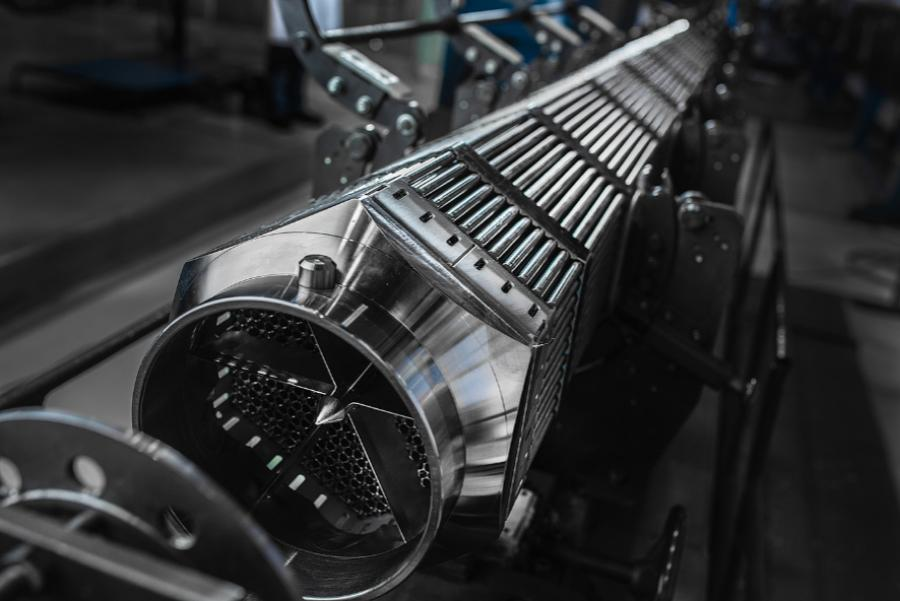
Germany wants independence from Russian nuclear fuel, using Rosatom as a bridge
Europe’s effort to break its dependence on Russian nuclear fuel has a paradox in Germany: making Russian-designed fuel without buying it from Russia ...
News
Publish date: July 13, 1998
Written by: Igor Kudrik
News
In February 1993, Moscow and Washington reached an agreement "On the use of Highly Enriched Uranium Extracted from Nuclear Weapons." As a follow-up to the agreement, the two countries signed a contract in 1994, under which 500 tons of highly enriched uranium (HEU) were to be purchased by the U.S. Enrichment Corp. (USEC). The main Russian partner was the Ministry for Atomic Energy (Minatom). The deal was evaluated at $12 billion. In 1996, USEC was privatised. Following the privatisation, the company stated it was not in position to pay for the uranium itself, but only for the services to blend it down. This process was conducted in Russia. With the U.S. partner found to be unreliable, Minatom officials demanded the return of the blended low-grade uranium. However, U.S. legislation forbids the export of nuclear materials to Russia. In a bid to find alternatives to the USEC contract, Minatom started to seek the services of intermediaries. Two candidates proposed their services: the Franco-German-Canadian consortium Cogema-Nukem-Cameco on one side and the little-known U.S. company Pleiades Group, headed by a Russian emigrant, on the other. Minatom’s choice fell on Pleiades. The U.S. State Department could hardly conceal its surprise at this choice.
The deal received considerable attention in the Russian media followed by a review conducted by the Security Committee of the Russian Duma in late April. The review resulted in an audit by Minatom, aimed at establishing whether the money received by the ministry so far was transferred to the federal treasury. The results of the audit have not yet been made public. Minatom’s new minister Yevgeny Adamov said the negotiations with Pleiades are currently suspended.
In late May, the chairman of the Duma Committee for Conversion and Science Technologies Aleksandr Pomorov, member of the communist faction, said the Duma is preparing a new law, which would prohibit export of fissile materials from Russia. Russia, according to Pomorov, may loose its status of a nuclear state if it continues to sell off uranium on such a scale. Pomorov also said the uranium deals with the U.S. and Germany must be cancelled. Germany reached a preliminary agreement with Minatom, authorised by the decree of the Russian Government on February 26, to buy 1,2 tons of HEU.
The final outcome of the battle over the uranium is still unclear. In the meantime, some of the U.S. officials started to criticise the Treasury Department’s plans to privatise the U.S. government’s uranium enrichment plants. Joseph Stiglitz, past chairman of the U.S. President’s Council of Economic Advisers, argued in an article published lately in the New York Times that the privatised, profit-seeking USEC "would have little incentive" to buy the Russian fuel, what stalls to a certain degree the U.S. non-prolifiration effort in respect to the Russian weapons-grade uranium.
Europe’s effort to break its dependence on Russian nuclear fuel has a paradox in Germany: making Russian-designed fuel without buying it from Russia ...
Nearly four and a half years after Russia’s full-scale invasion of Ukraine, July offered fresh evidence of how difficult it remains to disentangle Ru...
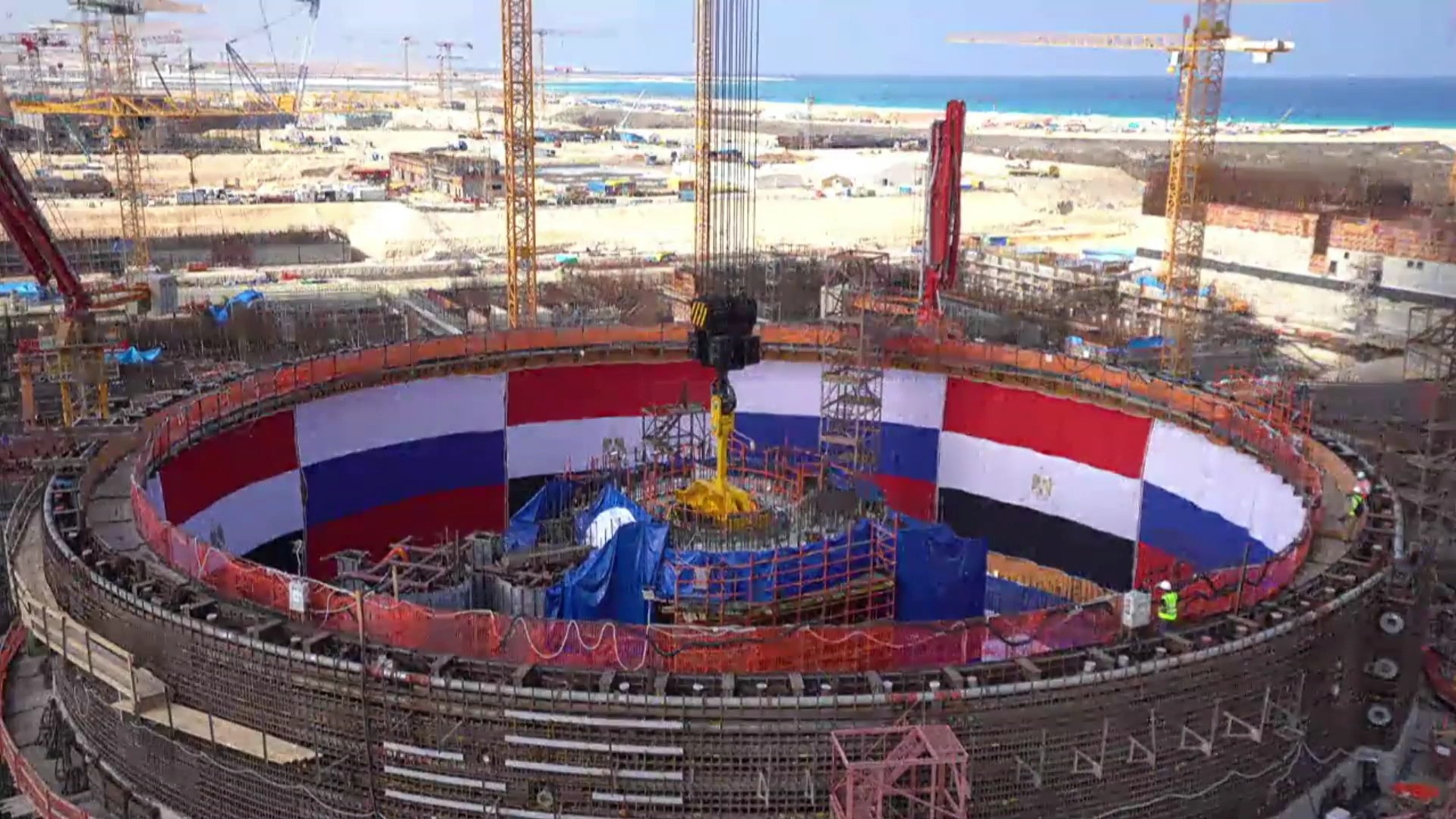
Just days after Egyptian nuclear authorities reportedly accused Rosatom of construction defects, poor management and vi...
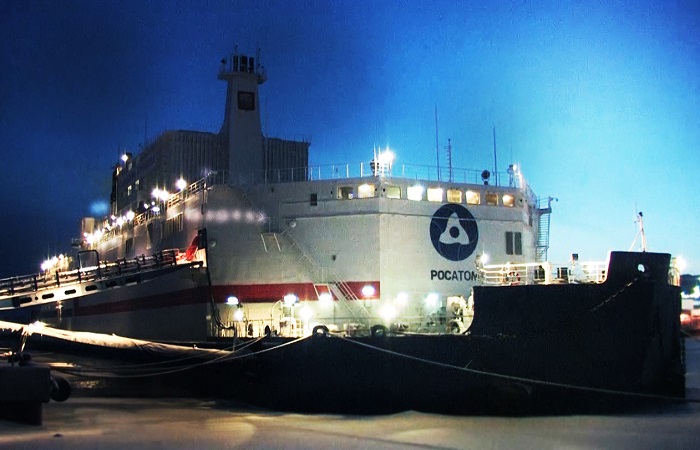
For years, the Akademik Lomonosov looked like one of the nuclear industry’s more eccentric experiments: two reactors mounted on a barge and tow...