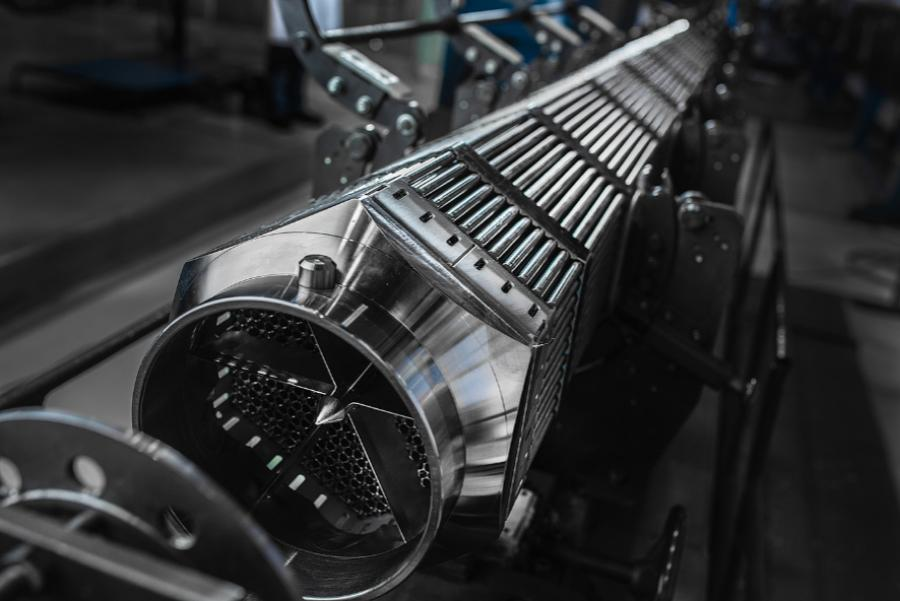
Germany wants independence from Russian nuclear fuel, using Rosatom as a bridge
Europe’s effort to break its dependence on Russian nuclear fuel has a paradox in Germany: making Russian-designed fuel without buying it from Russia ...
News
Publish date: August 17, 2005
News
In February 1993, Moscow and Washington reached an agreement On the Use of Highly Enriched Uranium Extracted from Nuclear Weapons. As a follow-up of the agreement, the two countries signed the HEU-LEU (highly enriched uranium – low enriched uranium) contract in 1994, under which 500 tons of HEU were to be purchased by the US Enrichment Corp. (USEC) until 2013.
Recently 42 tonnes of low enriched uranium have been shipped from St Petersburg to Baltimore in the United States. Since the beginning of the program on May 31, 1995, the USA received 7350 tonnes of LEU down blended from 250 tonnes of HEU precisely the half of the total quantity stipulated by the Agreement, minatom.ru reports.
So, the HEU-LEU Program has reached the middle and is entering its final stage. Thanks to this program Russia has already earned $5.3 billion. The profit goes to the Russian State budget and on financing the Russian nuclear industry. In 2004, the earnings from the program amounted 10 percent of the total Russian budget non-tax revenues.
In 2004, only 16 percent of the received funding is spent on increasing safety at nuclear installations. The bulk of this HEU-LEU funding is spent on construction of new nuclear sites outside of Russia (41 percent). Only 7.8 percent goes to reforms within Russias nuclear industry. Another 29 percent of the proceeds are used for unspecified expenses (approximately $162 million dollars in 2004). In reality this funding channel not only helps Russia to build nuclear power plants and other nuclear sites in such countries as Iran, India and China, but also supports the Cold War era nuclear infrastructure that has remained basically unchanged since Soviet times, and could barely survive without this funding feeding tube.
Europe’s effort to break its dependence on Russian nuclear fuel has a paradox in Germany: making Russian-designed fuel without buying it from Russia ...
Nearly four and a half years after Russia’s full-scale invasion of Ukraine, July offered fresh evidence of how difficult it remains to disentangle Ru...
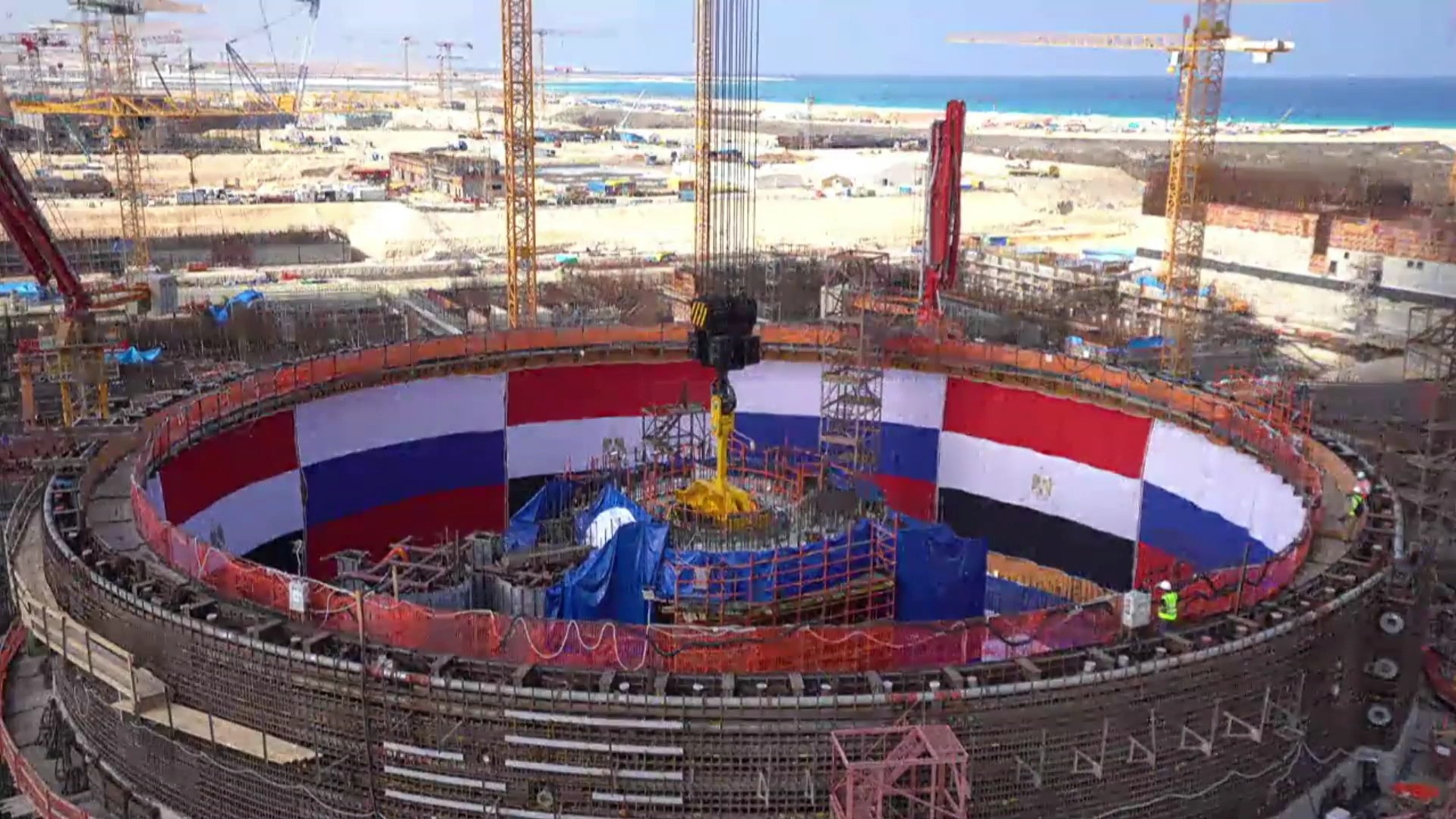
Just days after Egyptian nuclear authorities reportedly accused Rosatom of construction defects, poor management and vi...
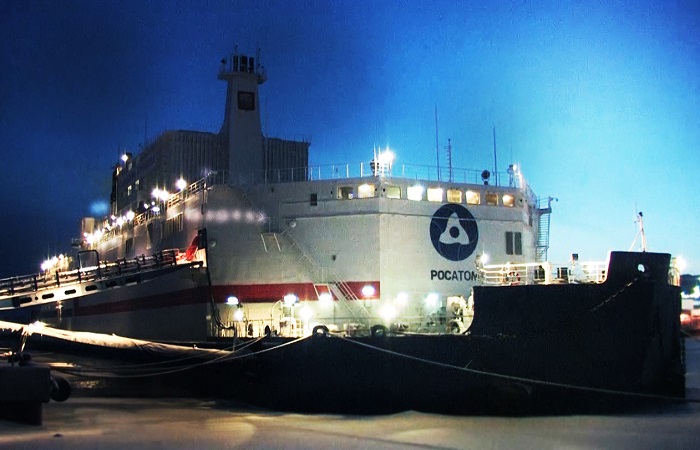
For years, the Akademik Lomonosov looked like one of the nuclear industry’s more eccentric experiments: two reactors mounted on a barge and tow...