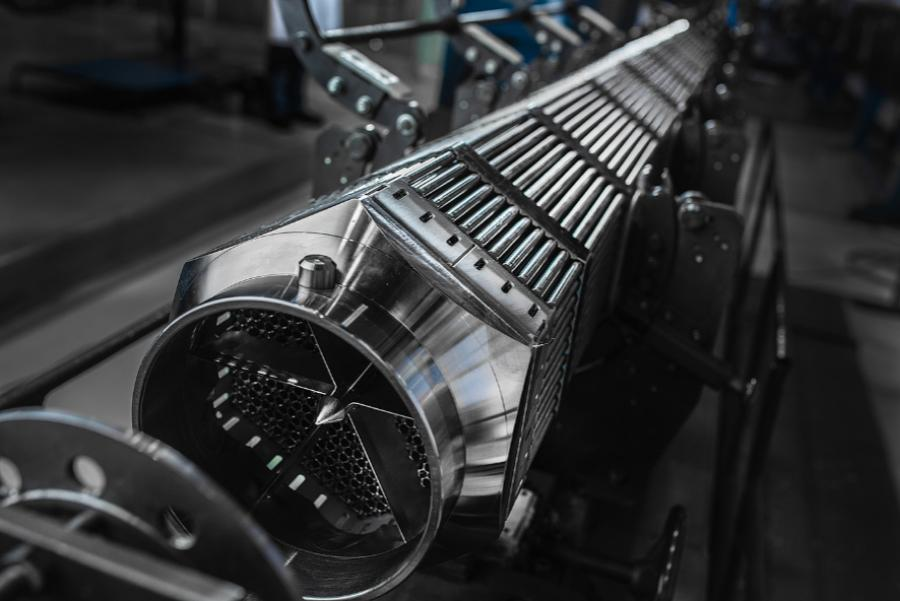
Germany wants independence from Russian nuclear fuel, using Rosatom as a bridge
Europe’s effort to break its dependence on Russian nuclear fuel has a paradox in Germany: making Russian-designed fuel without buying it from Russia ...
News
Publish date: July 2, 1998
Written by: Igor Kudrik
News
The satellites, developed by Berlin Technical University, will be placed into orbit on an SS-N-23 (RCM-54)-type ballistic missile. This is considered to be a high-risk operation. It was one of the Northern fleets Delta-class submarine which suffered an accident in one of its rocket tubes on May 5th this year.
According to The Moscow Times, Berlin Technical University’s Transport and Applied Mechanics Department said two more launches of such satellites will be negotiated if this launch is a success. The commercial launch of satellites from nuclear-powered submarines began in 1994. In early June 1995, a commercial satellite was launched from a submerged Delta-III class submarine in the Barents Sea, not far from the submarine base in Gremikha.
An anonymous naval officer says in an interview with The Moscow Times the Northern fleet will be paid some 200,000 German Mark ($111,000) for the launch. The launch will also help the submarines crew hone their combat skills, which have suffered because funds have not been available for training exercises.
Europe’s effort to break its dependence on Russian nuclear fuel has a paradox in Germany: making Russian-designed fuel without buying it from Russia ...
Nearly four and a half years after Russia’s full-scale invasion of Ukraine, July offered fresh evidence of how difficult it remains to disentangle Ru...
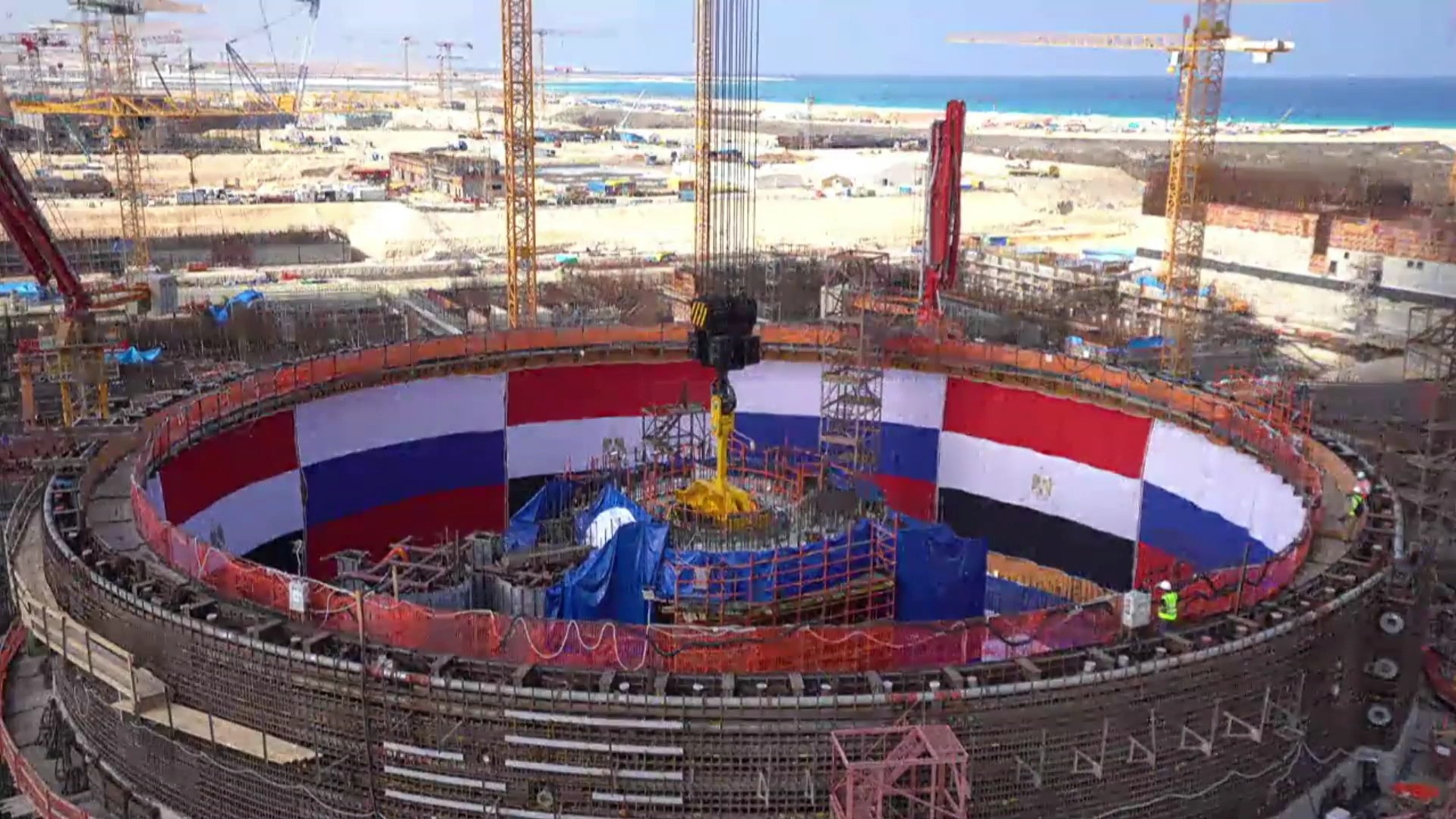
Just days after Egyptian nuclear authorities reportedly accused Rosatom of construction defects, poor management and vi...
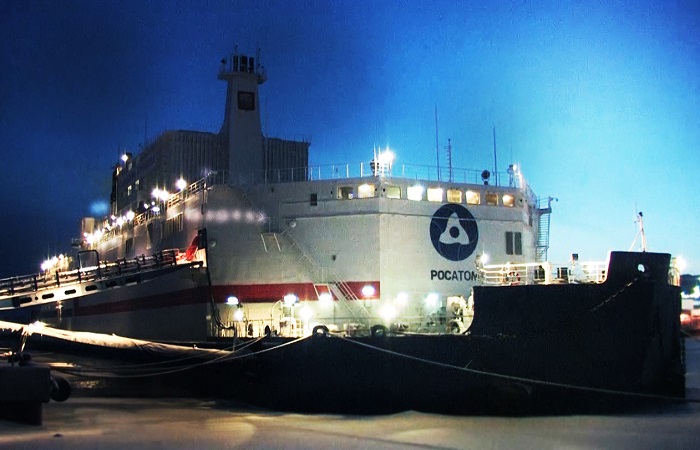
For years, the Akademik Lomonosov looked like one of the nuclear industry’s more eccentric experiments: two reactors mounted on a barge and tow...