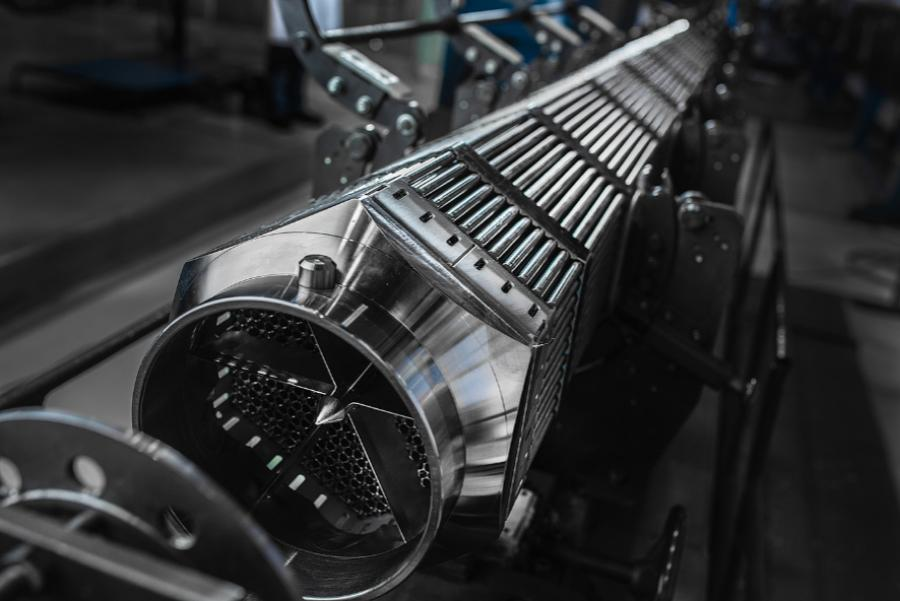
Germany wants independence from Russian nuclear fuel, using Rosatom as a bridge
Europe’s effort to break its dependence on Russian nuclear fuel has a paradox in Germany: making Russian-designed fuel without buying it from Russia ...
News
Publish date: December 15, 1997
Written by: Thomas Jandl
News
The decision marks yet another step along the learning curve on Russia’s path towards a free-market economy, although this time Washington may be gnashing its teeth about its student’s progress. Russia stands to make an additional $300 million to $500 million from the sale on the international markets.
However, the decision is also a snub at the United States nuclear policy towards Russia. Moscow will no longer "accept discriminatory, unprofitable conditions" for its commercial grade uranium, the Washington Post quoted First Deputy Atomic Energy Minister Aleksandr Belesokhov. The West has a keen interest in keeping tight control over Russian nuclear materials.
The contract between Russia and the U.S.-based buying consortium had been signed as recently as August. The group comprises Cameco mining of Canada, Cogema of France and Nukem of the United States.
Europe’s effort to break its dependence on Russian nuclear fuel has a paradox in Germany: making Russian-designed fuel without buying it from Russia ...
Nearly four and a half years after Russia’s full-scale invasion of Ukraine, July offered fresh evidence of how difficult it remains to disentangle Ru...
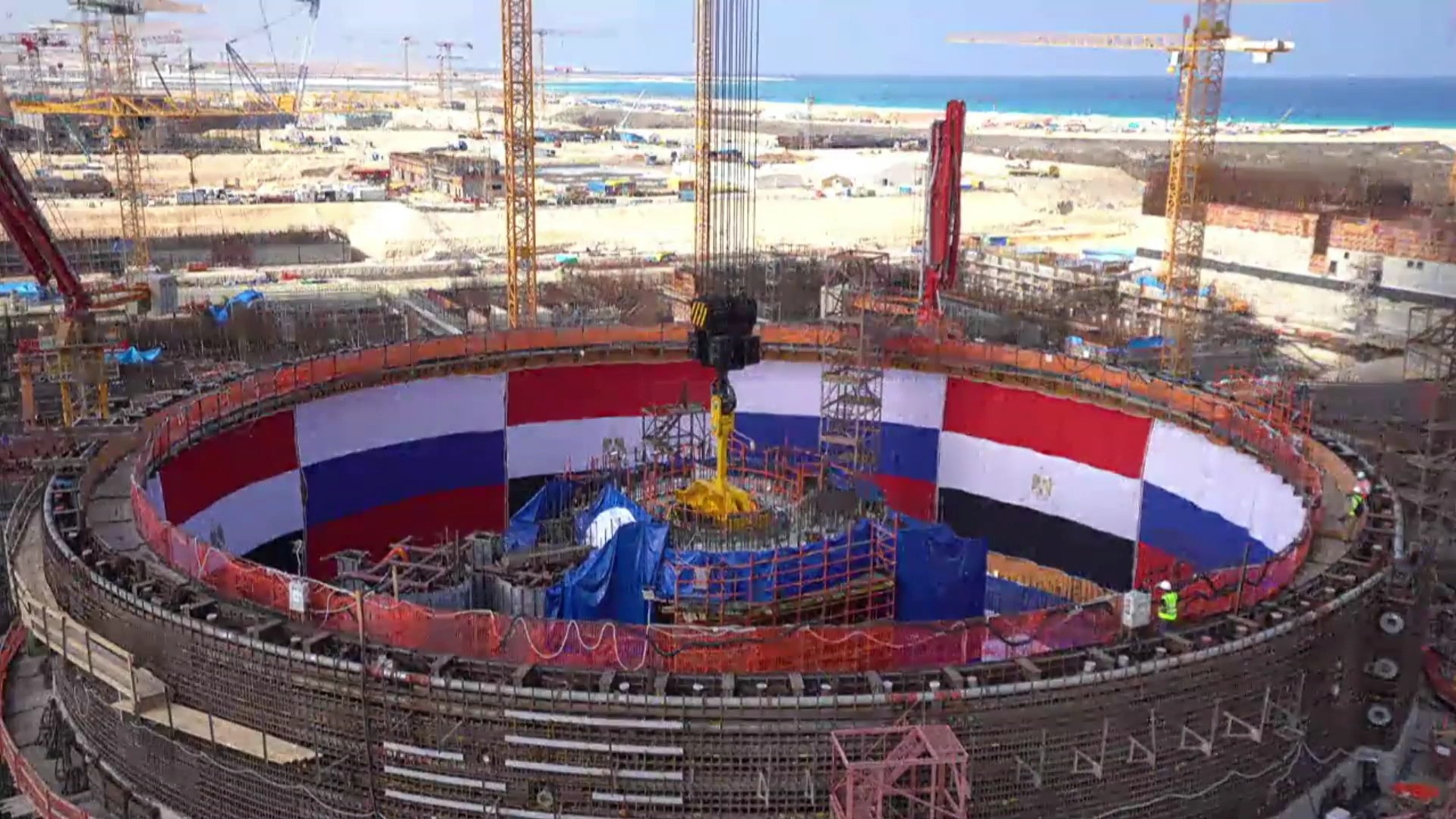
Just days after Egyptian nuclear authorities reportedly accused Rosatom of construction defects, poor management and vi...
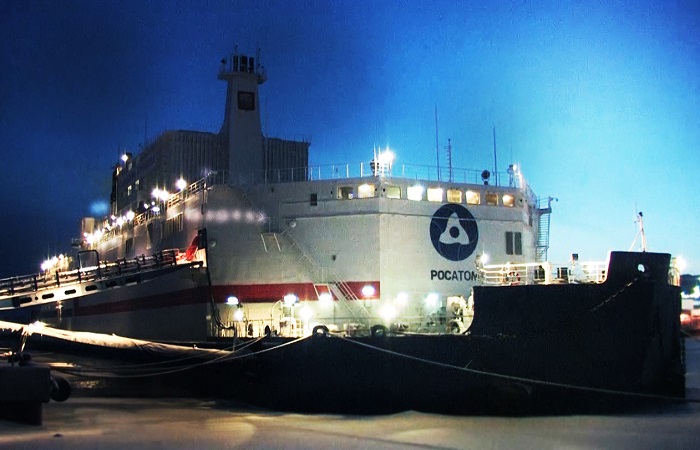
For years, the Akademik Lomonosov looked like one of the nuclear industry’s more eccentric experiments: two reactors mounted on a barge and tow...