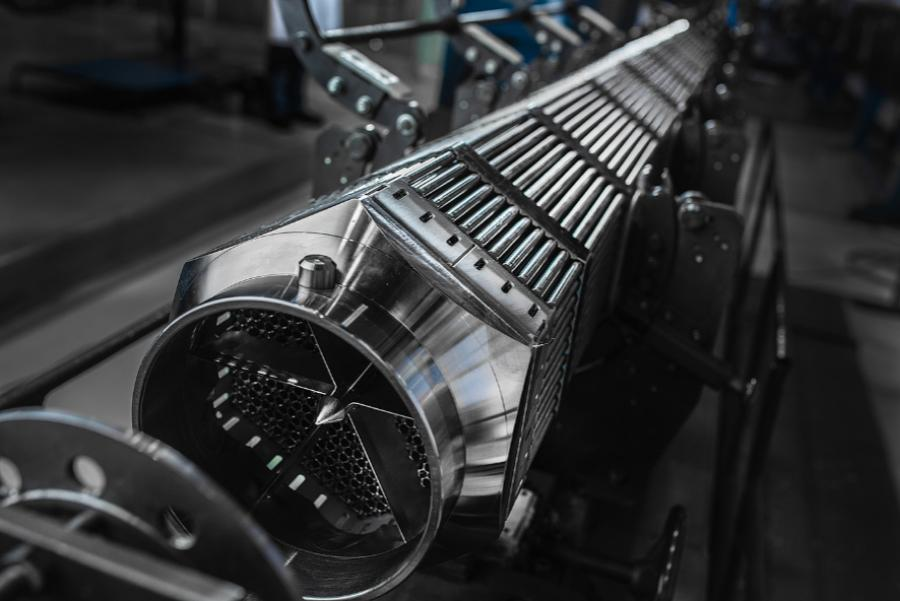
Germany wants independence from Russian nuclear fuel, using Rosatom as a bridge
Europe’s effort to break its dependence on Russian nuclear fuel has a paradox in Germany: making Russian-designed fuel without buying it from Russia ...
News
Publish date: October 14, 2003
News
The major part of the waste was taken from the bank of Moscow river near Kashirskoye road where construction waste and soil was contaminated with torium-232. Maximum dose of gamma radiation at the surface during decontamination works corresponded to 0.75 micro-Sievert/hour. The Radon specialists also confiscated 7.5kg of fresh mushrooms at a Moscow food market. They were contaminated with cesium-137 and had 547Bq/kg activity, while the norm is 160Bq/kg. Beside that, the specialists took away some devices with exhausted radiation power sources and two banknotes marked with radioactive ioudium-131. All the radioactive waste was sent for compaction to one of the Radon sites 160 km away from Moscow, the route was checked for possible radioactive trace, no contamination was detected, reported RIA-Novosti.
Europe’s effort to break its dependence on Russian nuclear fuel has a paradox in Germany: making Russian-designed fuel without buying it from Russia ...
Nearly four and a half years after Russia’s full-scale invasion of Ukraine, July offered fresh evidence of how difficult it remains to disentangle Ru...
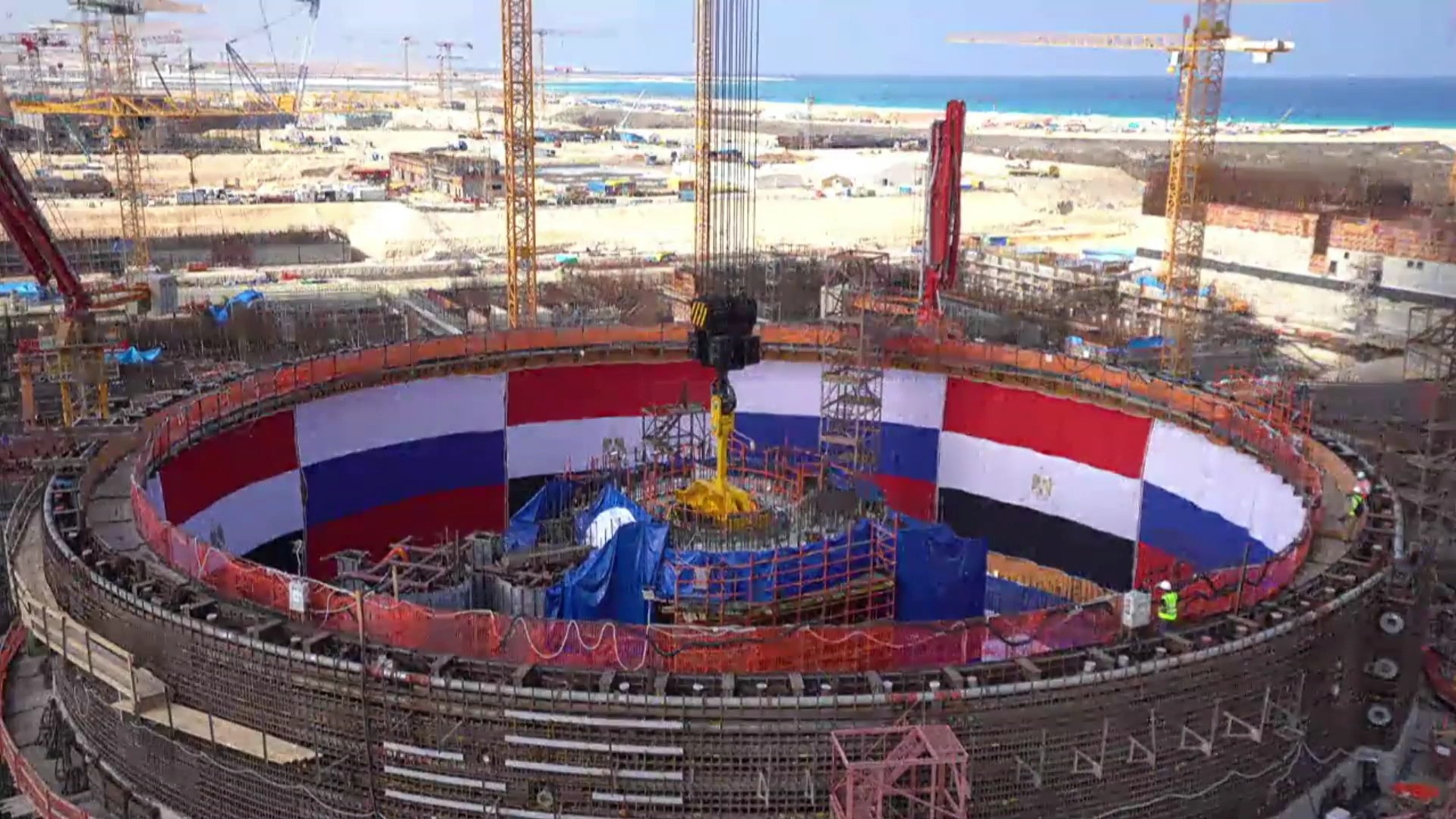
Just days after Egyptian nuclear authorities reportedly accused Rosatom of construction defects, poor management and vi...
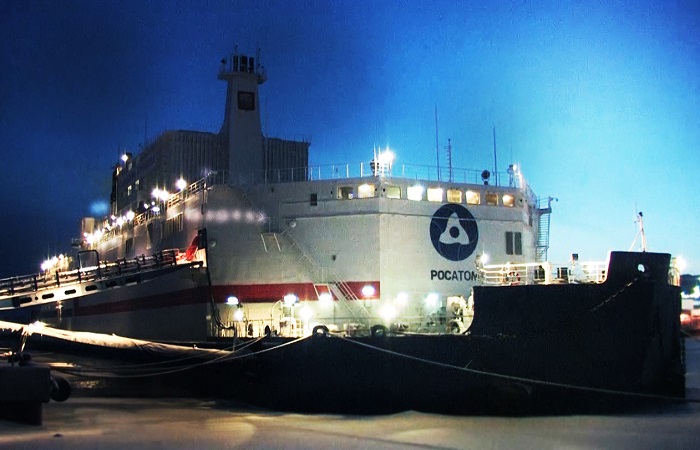
For years, the Akademik Lomonosov looked like one of the nuclear industry’s more eccentric experiments: two reactors mounted on a barge and tow...