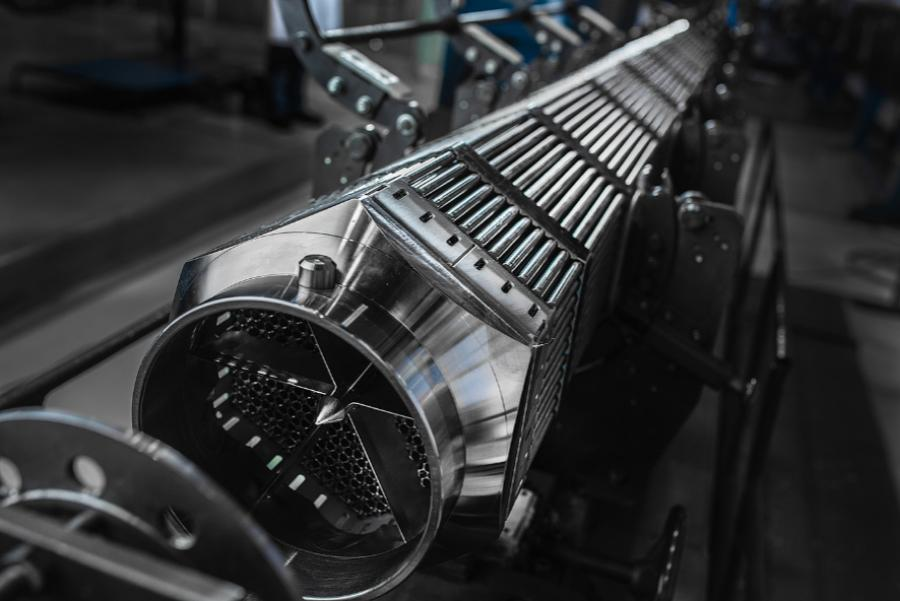
Germany wants independence from Russian nuclear fuel, using Rosatom as a bridge
Europe’s effort to break its dependence on Russian nuclear fuel has a paradox in Germany: making Russian-designed fuel without buying it from Russia ...
News
Publish date: July 24, 2003
News
According to Ramil Azamatov, director of the KAMAZ Special Trucks program, the new trucks, assembled on the basis of the conventional Kamaz-4326, weigh 9 tons and destined for spent nuclear fuel transportation. Development of the first KAMAZ armoured truck began in the beginning of 80s, but was suspended in 1989, and then resumed in 1997. The body with 16 mm armour was developed by the Bauman Moscow State Technical University and the Steel Research Institute in Moscow and manufactured at the Kurgan Engineering Plant. The armoured truck KAMAZ-43269 is equipped with environmentally friendly diesel engine KAMAZ-740.11-240 rated at a Euro-1 level. All the parts of the truck are produced in Russia. The plant is capable to produce 20 special trucks per month, but if it gets orders the capacity can be increased up to 200 trucks per month. Ramil Azarov said that various bullets were used to test the trucks resistance. The maximum speed of the armoured KAMAZ is 90 km/h. So far, only the Russian Nuclear Ministry ordered the armoured trucks, but the Russian police also showed interest.
Europe’s effort to break its dependence on Russian nuclear fuel has a paradox in Germany: making Russian-designed fuel without buying it from Russia ...
Nearly four and a half years after Russia’s full-scale invasion of Ukraine, July offered fresh evidence of how difficult it remains to disentangle Ru...
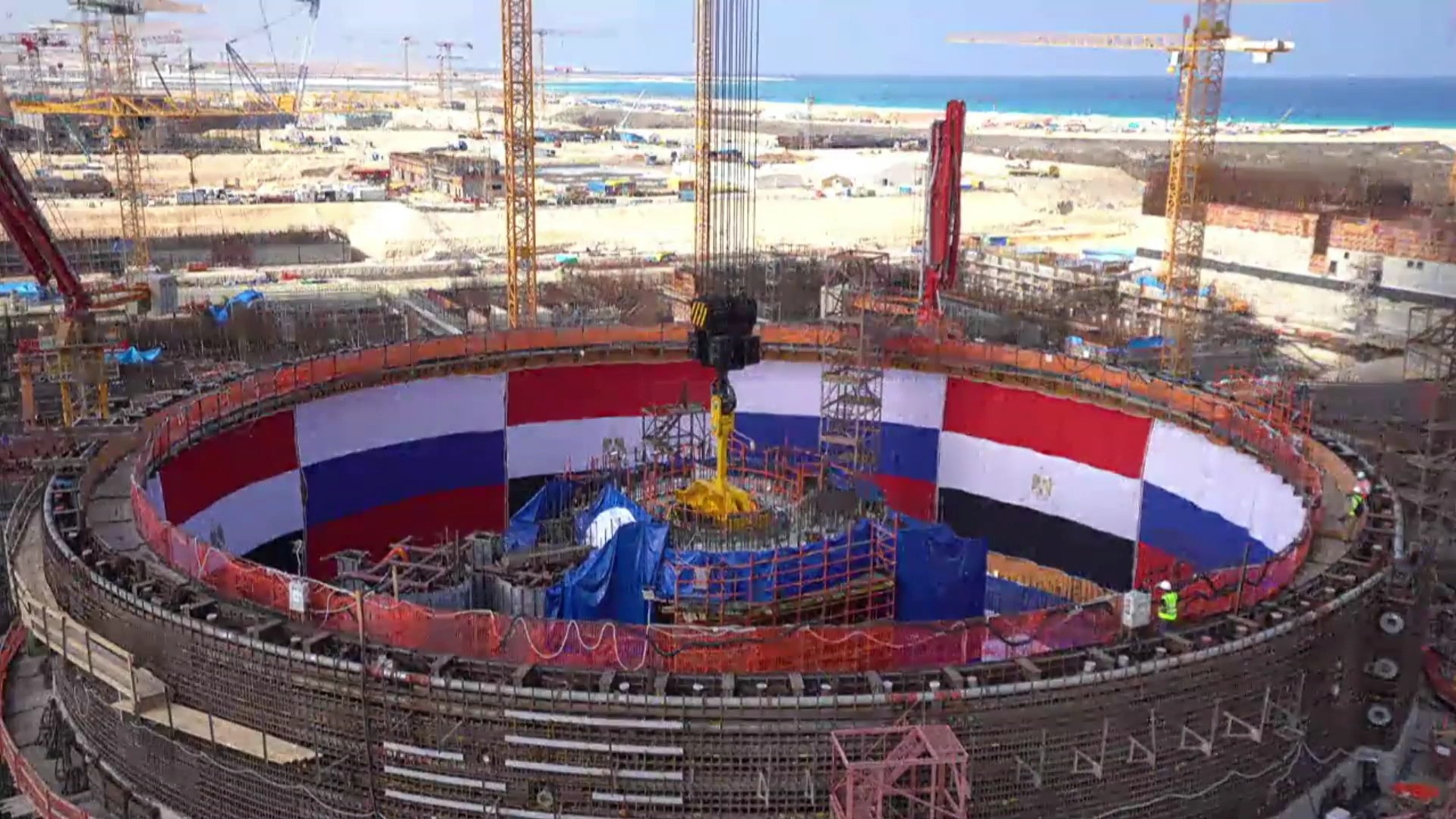
Just days after Egyptian nuclear authorities reportedly accused Rosatom of construction defects, poor management and vi...
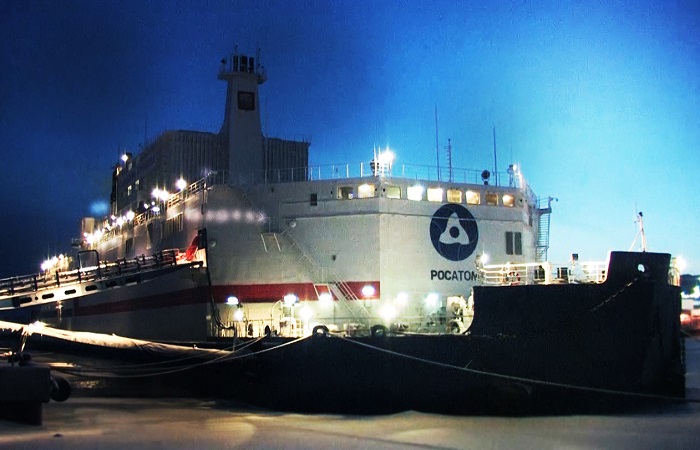
For years, the Akademik Lomonosov looked like one of the nuclear industry’s more eccentric experiments: two reactors mounted on a barge and tow...