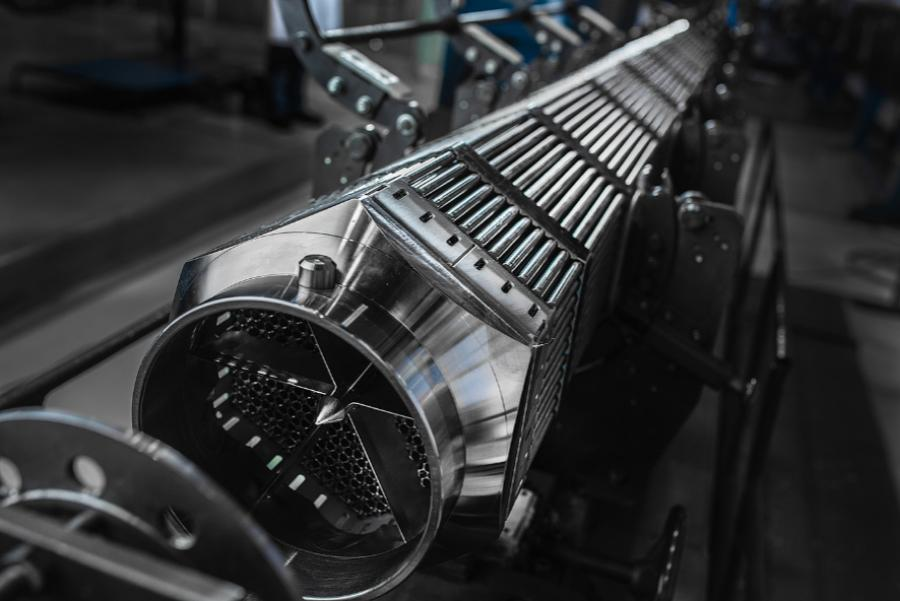
Germany wants independence from Russian nuclear fuel, using Rosatom as a bridge
Europe’s effort to break its dependence on Russian nuclear fuel has a paradox in Germany: making Russian-designed fuel without buying it from Russia ...
News
Publish date: July 17, 2001
Written by: Igor Kudrik
News
The ship Mayo left to the place of the Kursk accident from Kirkenes on July 14th. The ship arrived to its destination point on July 15th.
The day after officials from the Russian Navy said that the divers would not go down to the Kursk wreck before remotely controlled submersibles investigate the area around the submarine.
The same day the same officials said that the divers would start work on the Kursk not before July 19th.
Today, Rear-Admiral Michael Motsak, who heads the lifting operation, said that Mayo would have to go back to Kirkenes to deliver back a special machine, which cleaned the debris around the bow part (torpedo section) of the submarine. The torpedo section, in accordance with the Russian plan, will be sliced off to avoid new detonations while the submarine is being raised.
The truth is, however, that the British divers had never left Kirkenes onboard the Mayo ship. They are still in Kirkenes, awaiting apparently for contractual matters to be settled between Russia and its Western partners.
Bellona has stressed earlier that Russia should hurry but not rush with lifting of the Kursk submarine. Excluding any possibility for a major environmental disaster during the lifting operation, Bellona underlines that if the Kursk is not lifted with the first attempt, it will never be raised again. That is why the operation was to be prepared properly and be almost 100% proof. The current situation with the lifting operation represents a great deal of bad co-ordination and may bury the submarine at the bottom of the Barents Sea forever.
Europe’s effort to break its dependence on Russian nuclear fuel has a paradox in Germany: making Russian-designed fuel without buying it from Russia ...
Nearly four and a half years after Russia’s full-scale invasion of Ukraine, July offered fresh evidence of how difficult it remains to disentangle Ru...
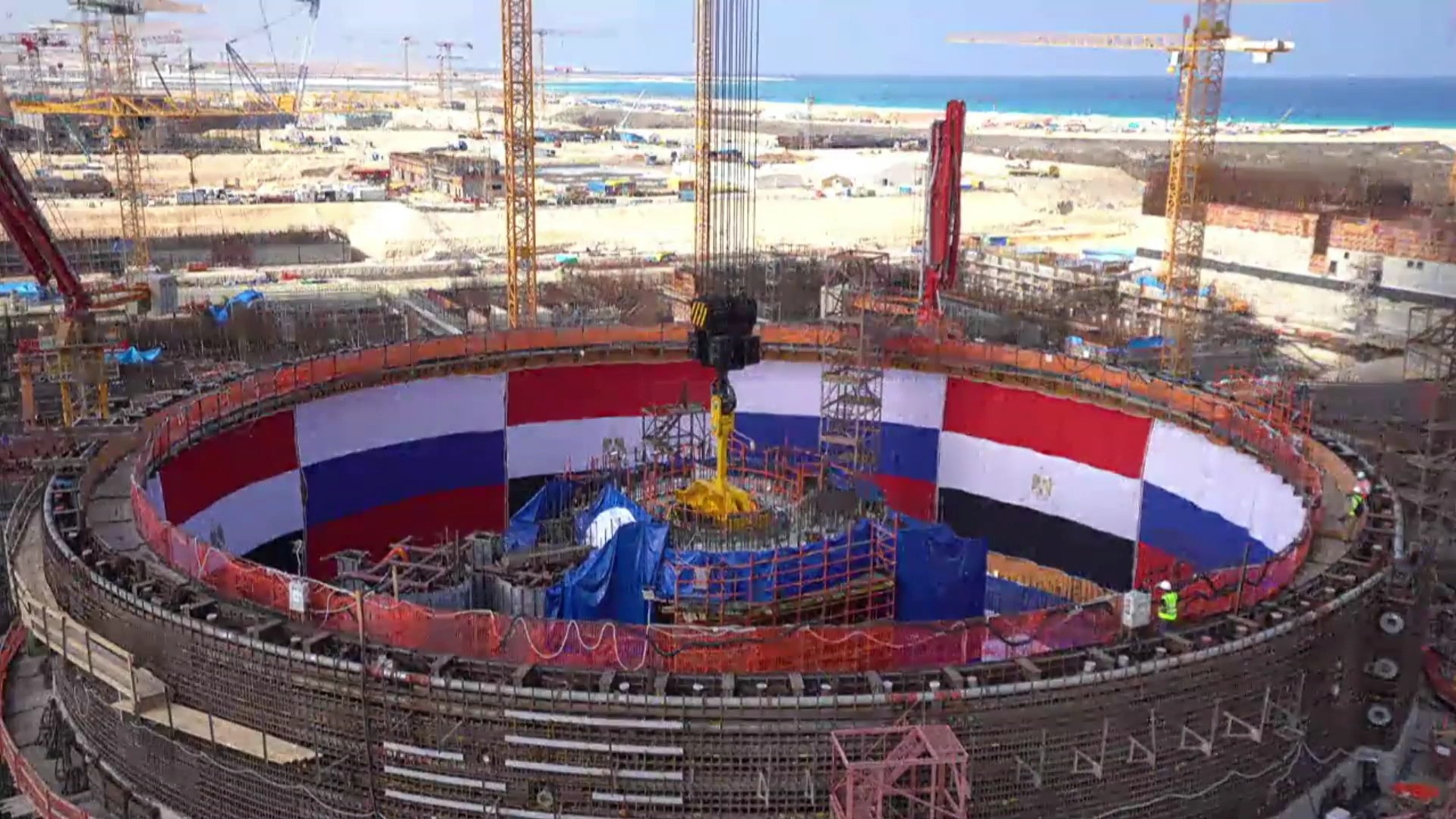
Just days after Egyptian nuclear authorities reportedly accused Rosatom of construction defects, poor management and vi...
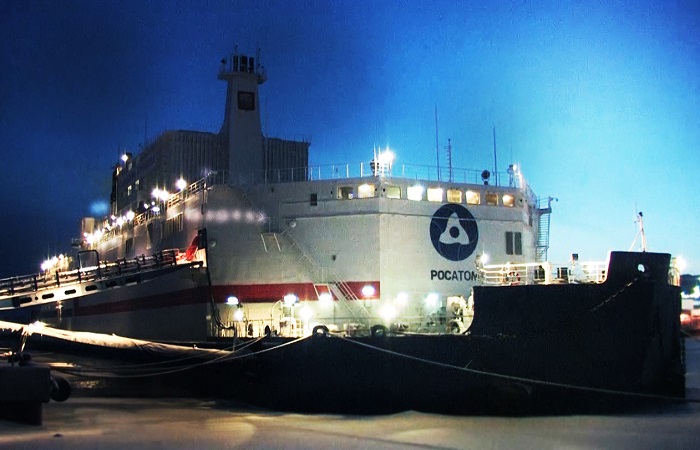
For years, the Akademik Lomonosov looked like one of the nuclear industry’s more eccentric experiments: two reactors mounted on a barge and tow...