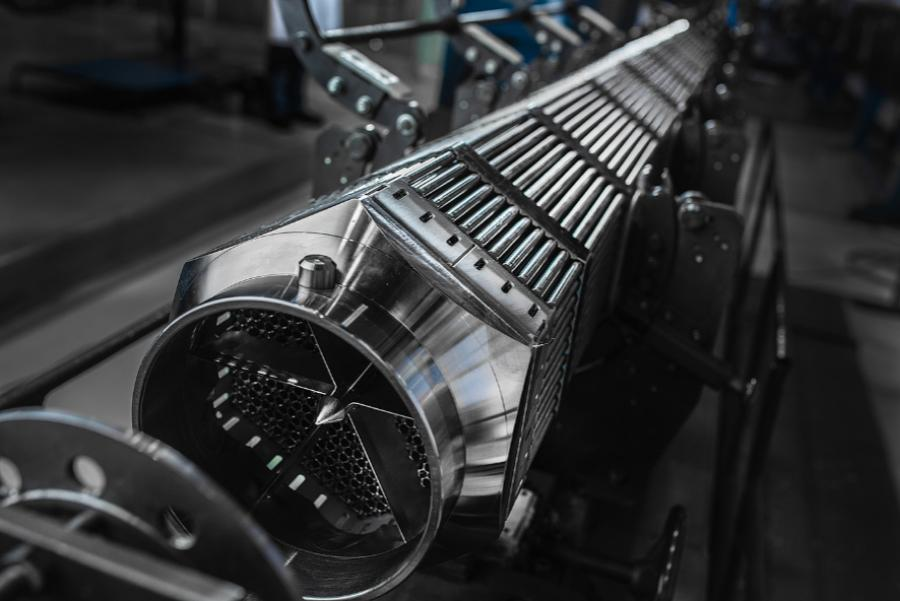
Germany wants independence from Russian nuclear fuel, using Rosatom as a bridge
Europe’s effort to break its dependence on Russian nuclear fuel has a paradox in Germany: making Russian-designed fuel without buying it from Russia ...
News
Publish date: October 20, 1999
Written by: Igor Kudrik
News
Four Delta class nuclear powered submarines arrived at Zvezda shipyard in the Russian Far East to undergo decommissioning. The U.S. Co-operative Threat Reduction program foots the bill to dismantle the submarines.
CTR was founded in 1991 when the U.S. Congress directed the Department of Defence to help secure former Soviet weapons of mass destruction. Since 1991, Congress has provided $2.3 billion to support CTR’s efforts. In 1992, CTR developed a specific program for dismantling ballistic missile submarines (SSBN) required under START- 1 arms reduction treaty. In 1997-98 CTR realised that the Russian government was unable to pay workers to carry out the scrapping of submarines. As a result, CTR was on contract for seven strategic submarines: one Yankee and six Delta-class submarines. In 1999, CTR planned to sign contracts for nine additional submarines. The decommissioning takes place at Nerpa and Zvezdochka shipyards in the Russian Northwest and at Zvezda shipyard in the Far East of Russia.
In 1998, Zvezda shipyard decommissioned two Delta class submarines, while Nerpa shipyard at the Kola Peninsula melted down three Delta’s. One Yankee class submarine was reportedly decommissioned at Zvezdochka shipyard in Severodvinsk the same year. This year, CTR is on contract to dismantle four Delta class submarines at Zvezda and five Delta’s at Nerpa shipyard.
In July this year, the first Typhoon class submarine arrived at Severodvinsk, Arkhangelsk County, to get scrapped. Four more Typhoons are expected to be decommissioned. CTR’s objective so far is to dismantle 32 SSBNs: one Yankee, 26 Deltas, and 5 Typhoons.
Europe’s effort to break its dependence on Russian nuclear fuel has a paradox in Germany: making Russian-designed fuel without buying it from Russia ...
Nearly four and a half years after Russia’s full-scale invasion of Ukraine, July offered fresh evidence of how difficult it remains to disentangle Ru...
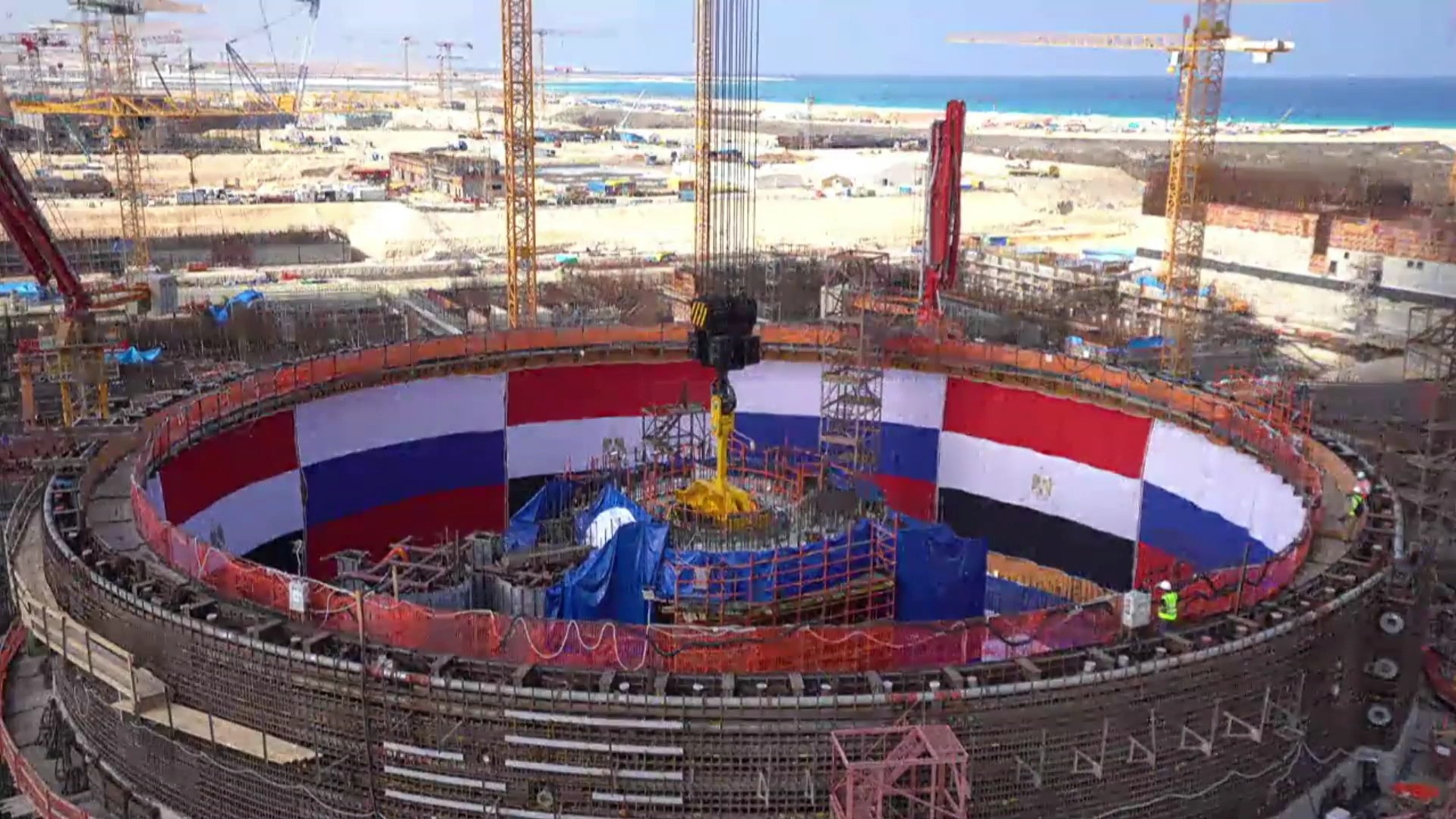
Just days after Egyptian nuclear authorities reportedly accused Rosatom of construction defects, poor management and vi...
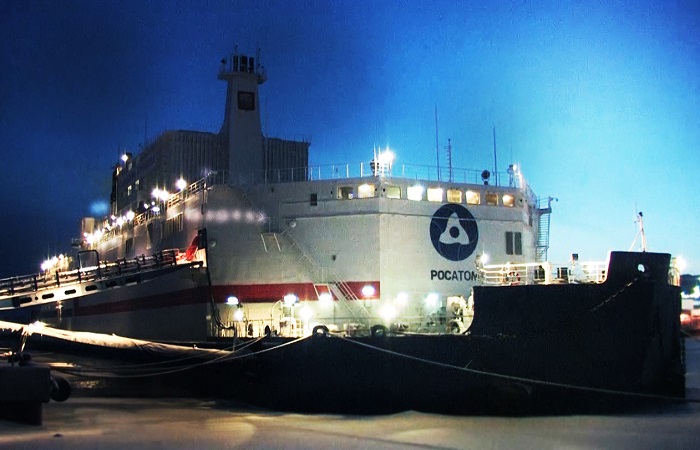
For years, the Akademik Lomonosov looked like one of the nuclear industry’s more eccentric experiments: two reactors mounted on a barge and tow...