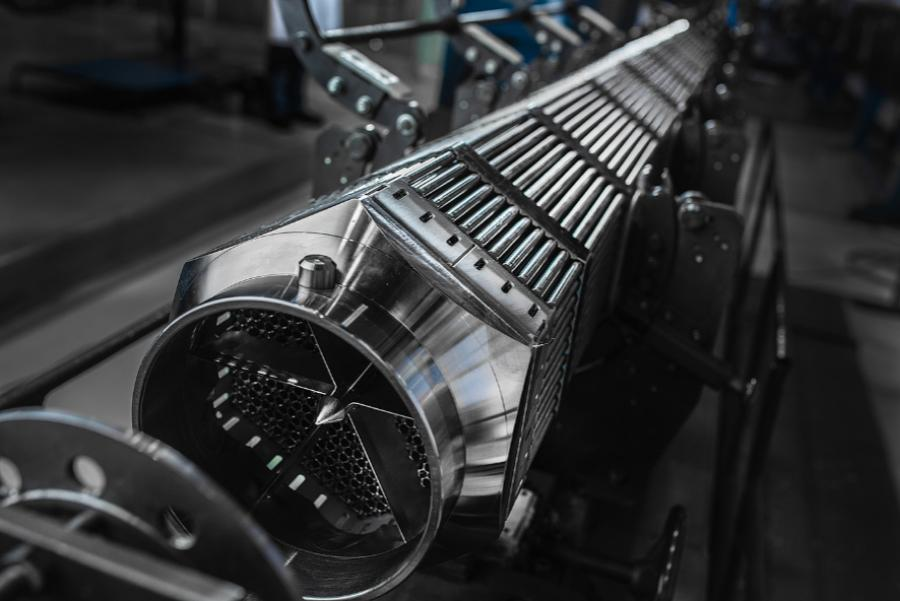
Germany wants independence from Russian nuclear fuel, using Rosatom as a bridge
Europe’s effort to break its dependence on Russian nuclear fuel has a paradox in Germany: making Russian-designed fuel without buying it from Russia ...
News
Publish date: October 9, 2003
News
The negotiations started at the beginning of August with participation of Russia’s Atomic Power Ministry. Deputy Director of the Nuclear Programs Department in the British Chamber of Commerce and Industry Steven Traswell visited Sevmashpredpriyatie for the second time. David Field, RWE NUKEM project director, from Germany was the contractor’s representative. During the negotiations the parties have reached common understanding and agreed that the next meeting scheduled for the beginning of October, will be devoted to signing of the contract. Both sides are interested to speed up the project implementation so it was decided to engage the Zvezdochka plant. Foreign partners demand that realisation of the project should have maximum transparency so that they could have an opportunity to report on money spending to their tax-payers.
Two retired nuclear submarines of 949 Project (OSCAR-I) destined for dismantlement have been staying at the Sevmashpredpriyatie since November 1999. The spent nuclear fuel was unloaded from the submarines in 2001 and 2002 by the contract with Russia’s Atomic Energy Ministry. The problem is that as far as the ministry does not finance dismantlement, the submarines have to stay at the enterprise longer than needed. It creates some danger of keeping the submarines safe afloat. If the two submarines are decommissioned soon, this will allow the Atomic Energy Ministry to spend financing on dismantling other submarines and the enterprise will have more free space at the moors for other important projects. Now the two submarines are being prepared for placing into the dock and for unloading the equipment. It is planned to start the works this year. The above mentioned nuclear submarines belong to the third generation submarines; they were produced at Sevmashpredpriyatie in the end of 80s and named “Arkhangelsk” and “Murmansk” in the Northern Fleet. “There are two basic components that are essential for Great Britain. First, we must rule out any possible access of terrorist structures to nuclear materials of any kind. The second issue we care about is ecological protection Steven Traswell said to the Russian daily Izvestia.
Europe’s effort to break its dependence on Russian nuclear fuel has a paradox in Germany: making Russian-designed fuel without buying it from Russia ...
Nearly four and a half years after Russia’s full-scale invasion of Ukraine, July offered fresh evidence of how difficult it remains to disentangle Ru...
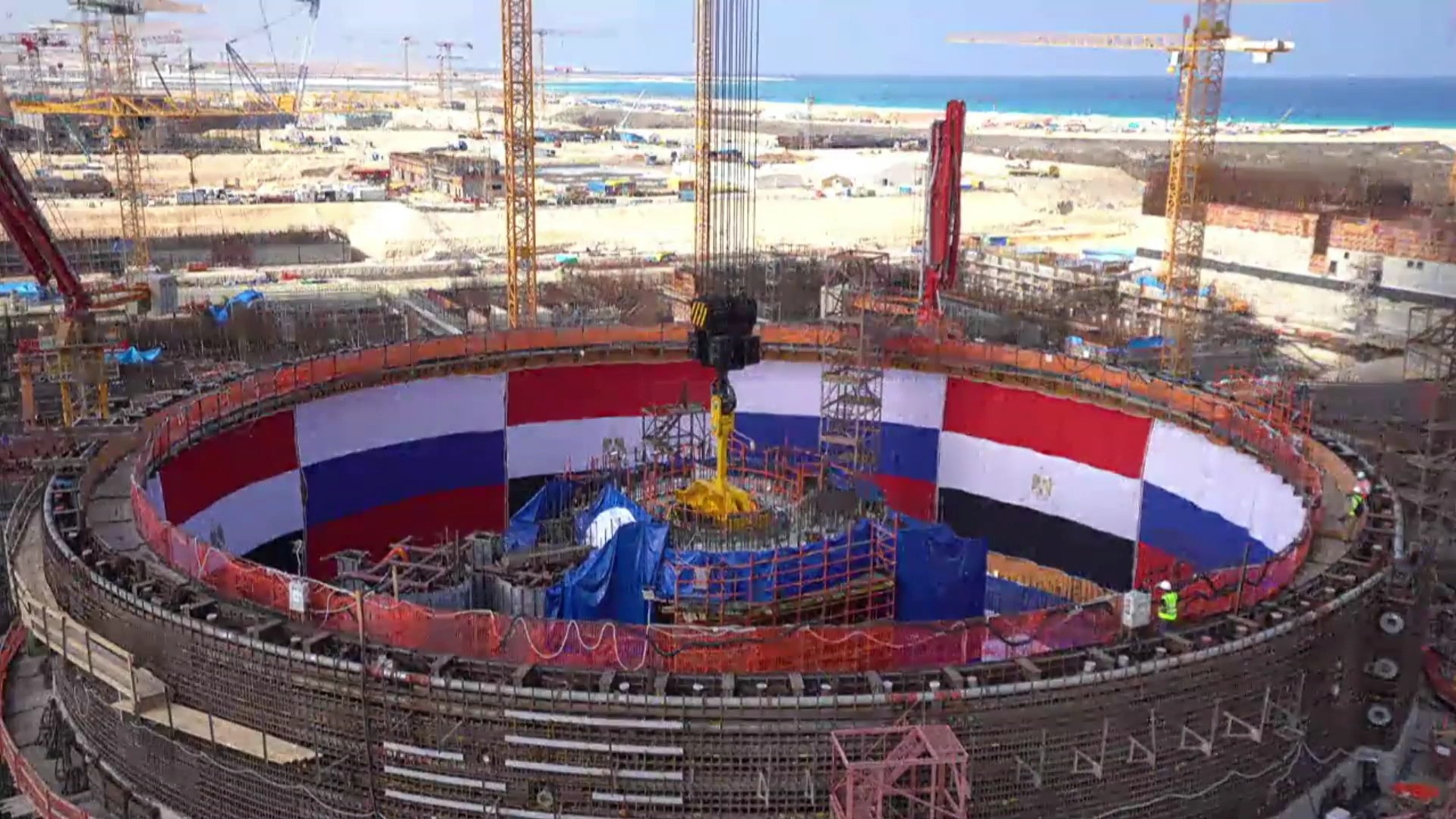
Just days after Egyptian nuclear authorities reportedly accused Rosatom of construction defects, poor management and vi...
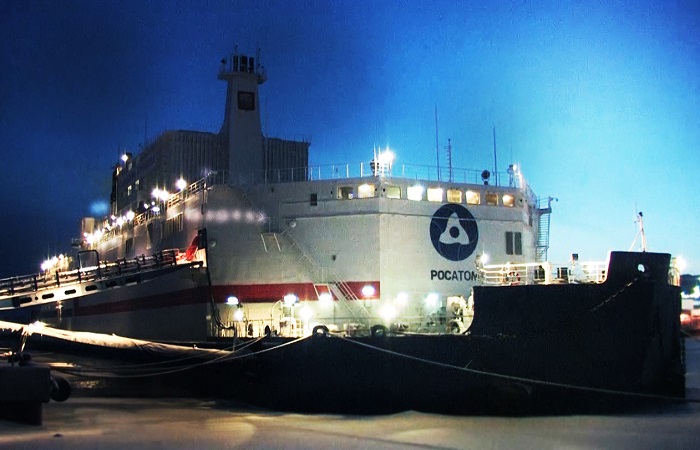
For years, the Akademik Lomonosov looked like one of the nuclear industry’s more eccentric experiments: two reactors mounted on a barge and tow...