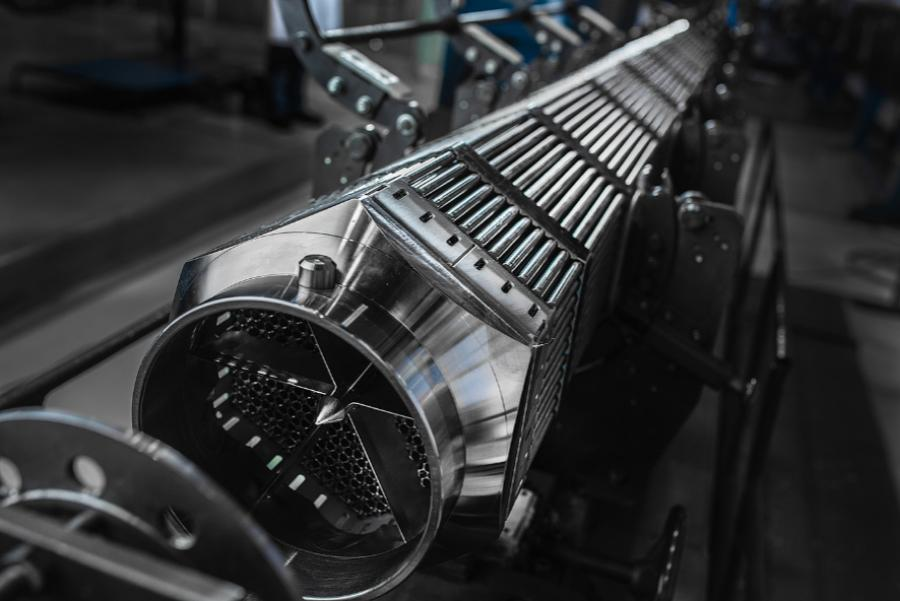
Germany wants independence from Russian nuclear fuel, using Rosatom as a bridge
Europe’s effort to break its dependence on Russian nuclear fuel has a paradox in Germany: making Russian-designed fuel without buying it from Russia ...
News
Publish date: April 19, 1999
Written by: Thomas Nilsen
News
When Sovetskiy Soyuz leaves Murmansk for the year’s first tour of the North Pole on July 17th, 100 passengers will have paid $US 15-20,000 apiece for a ride aboard a nuclear-powered icebreaker that’s cause for environmental concern.
The tour’s organisers, Quark Expeditions, offer a promotional brochure describing a ship operated "in an environmentally responsible manner." Conspicuously absent is any mention of safety risks associated with the boat’s two nuclear reactors or of the hazards and difficulties presented when handling nuclear waste the tour helps generate.
For its return voyage south, Quark Expeditions hoped Sovetskiy Soyuz could anchor at Longyearbyen, in Svalbard, where its party of tourists could transfer to a chartered airline. But Norwegian authorities, sensitive to the ships twin hazards, denied the vessel permission to enter the waters around Svalbard.
The Norwegian Radiation Protection Agency has described the nuclear installations aboard Sovietsiy Soyuz as failing to meet current safety norms. Even Svalbard’s residents, who might benefit from the arrival of 100 tourists to their barren island, have protested at the thought of seeing a nuclear-powered vessel sail through local waters.
"If permission is granted it will be a development we don’t want," Svalbard’s former Governor, Ann-Kristin Olsen, said. She added that the development of tourism in the area should not include the use of nuclear powered vessels.
A second nuclear-powered icebreaker expedition to the Pole is scheduled to bring tourists to the arctic on July 28th. Should things go well, they’ll be back by August 11th.
Earlier nuclear-powered expeditions have met with demonstrations from local and international environmentalists. In 1995, the Norwegian environmental organisation, Nature and Youth, tried to block the Tromsø-Murmansk run of a chartered plane full of tourists. In Murmansk, local environmentalists met the tourists before their eventual boarding of the Yamal, sister ship of Sovietskiy Soyuz, at Atomflot in Murmansk.
Europe’s effort to break its dependence on Russian nuclear fuel has a paradox in Germany: making Russian-designed fuel without buying it from Russia ...
Nearly four and a half years after Russia’s full-scale invasion of Ukraine, July offered fresh evidence of how difficult it remains to disentangle Ru...
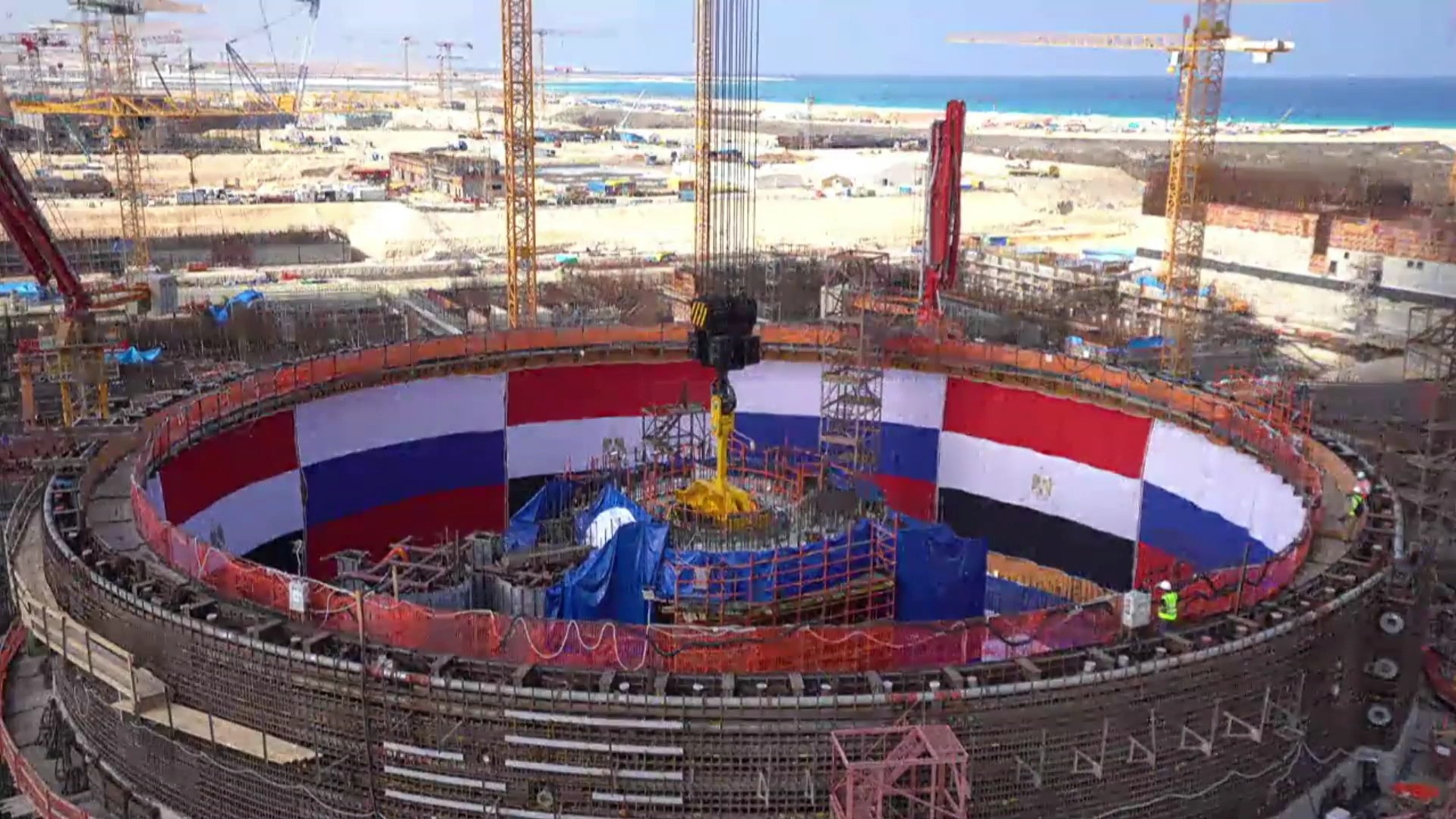
Just days after Egyptian nuclear authorities reportedly accused Rosatom of construction defects, poor management and vi...
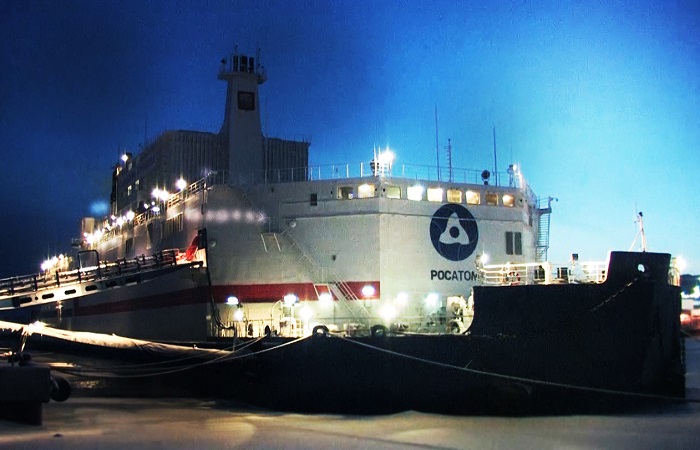
For years, the Akademik Lomonosov looked like one of the nuclear industry’s more eccentric experiments: two reactors mounted on a barge and tow...