Germany wants independence from Russian nuclear fuel, using Rosatom as a bridge
Europe’s effort to break its dependence on Russian nuclear fuel has a paradox in Germany: making Russian-designed fuel without buying it from Russia ...
News
Publish date: March 9, 2000
Written by: Thomas Nilsen
News
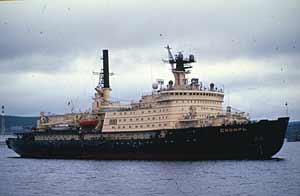
Murmansk Shipping Company (MSCo), the operator of Russia’s eight nuclear powered icebreakers and several service vessels for spent nuclear fuel and radioactive waste, has been seeking a better storage option for its solid radioactive waste the past decade. Until 1986, most of the solid radioactive wastes from Murmansk Shipping Company had been dumped in the Kara Sea. Today, the radioactive wastes that derive from operation of the nuclear icebreakers are stored on-site at the service base Atomflot, several kilometres north of Murmansk at the Kola Peninsula. A minimum of 800 cubic meters solid radioactive wastes are stored at Atomflot, onboard the service vessels Lepse and Volodarskij and in five on-shore storage sites. The radioactive wastes have a minimum of total activity equalling 730.000 GBq. The amount of solid radioactive waste at Atomflot will increase considerably during the years to come. For the time being the service vessel Volodarskij is undergoing decommissioning. The spent nuclear fuel is soon to be removed from the rundown Lepse, then the vessel will be scrapped, generating tens of tons of radioactive waste.

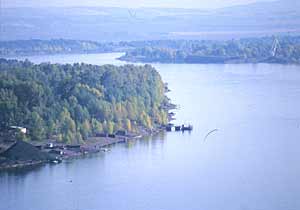
“We consider this option as interesting. Soon, our experts will go to Zheleznogorsk to study the proposal in detail, and look at the proposed site for storage,” says Vyacheslav Rouksha, General Director of Murmansk Shipping Company. Zheleznogorsk is located 50 kilometres north of Krasnoyarsk on the banks of the Yenisey River. Rouksha says the advantage of such option is that MSCo can load the radioactive waste onboard a vessel at Atomflot in the Kola Bay. “Such vessel can go then directly to its port of destination.”
Murmansk Shipping Company has also looked into other possible locations for long-term storage of its radioactive waste. The Novaya Zemlya Archipelago in the Arctic was among them, as well as locations proposed for repository at the Kola Peninsula. International economical assistance will, for instance, be provided to build a new storage site for solid radioactive waste at the Nerpa shipyard north of Murmansk. At this site, mainly naval radioactive waste derived from the decommissioning of nuclear powered submarines will be stored, but it seems to be also open for civilian waste, deriving from the Radon storage west of Murmansk.

Europe’s effort to break its dependence on Russian nuclear fuel has a paradox in Germany: making Russian-designed fuel without buying it from Russia ...
Nearly four and a half years after Russia’s full-scale invasion of Ukraine, July offered fresh evidence of how difficult it remains to disentangle Ru...
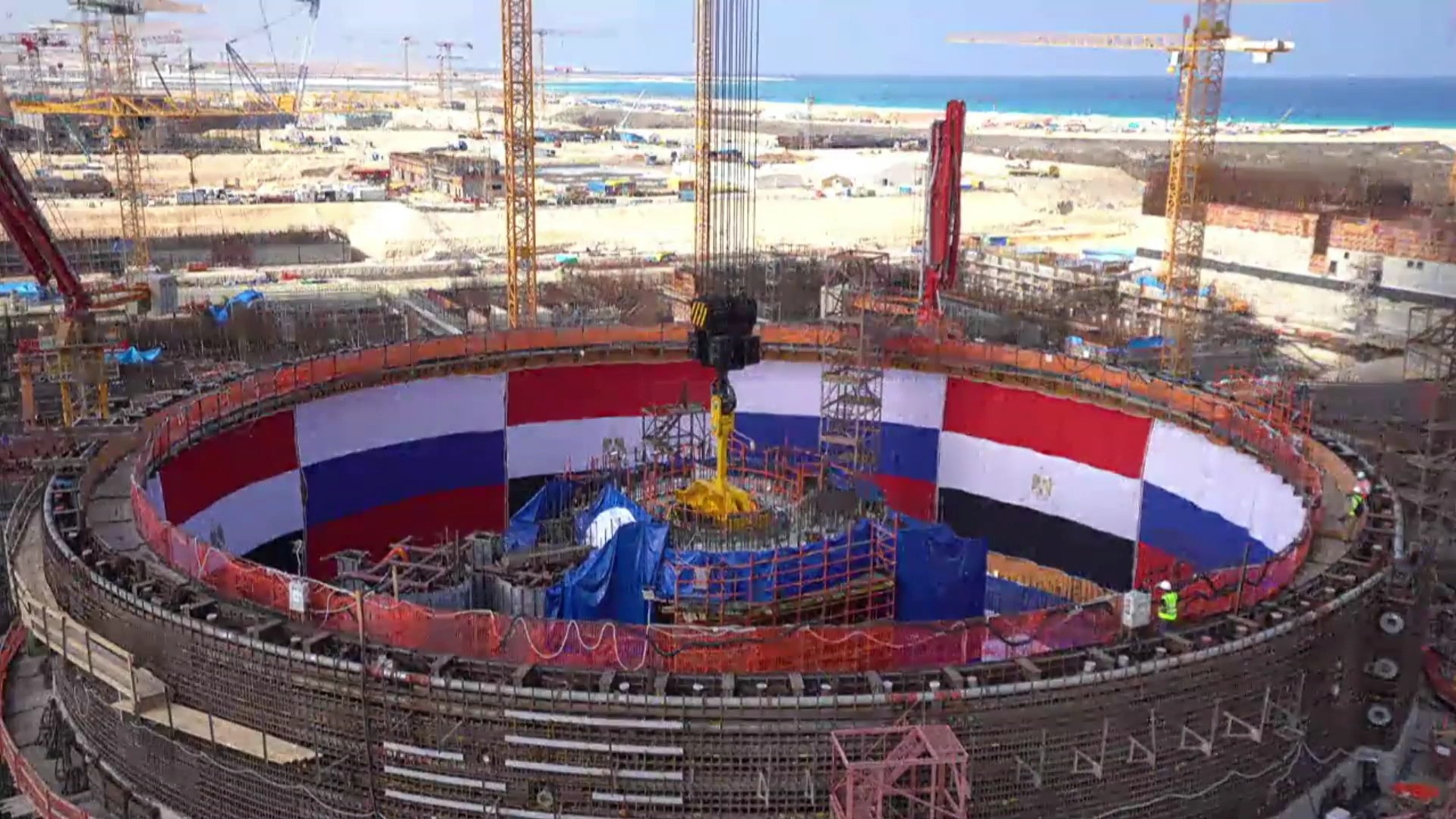
Just days after Egyptian nuclear authorities reportedly accused Rosatom of construction defects, poor management and vi...
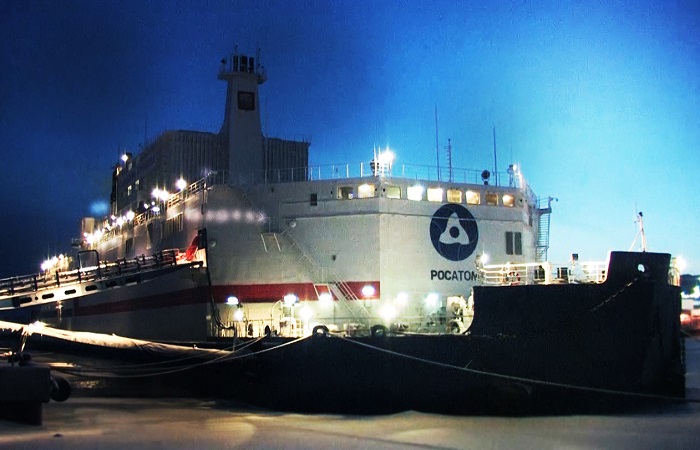
For years, the Akademik Lomonosov looked like one of the nuclear industry’s more eccentric experiments: two reactors mounted on a barge and tow...