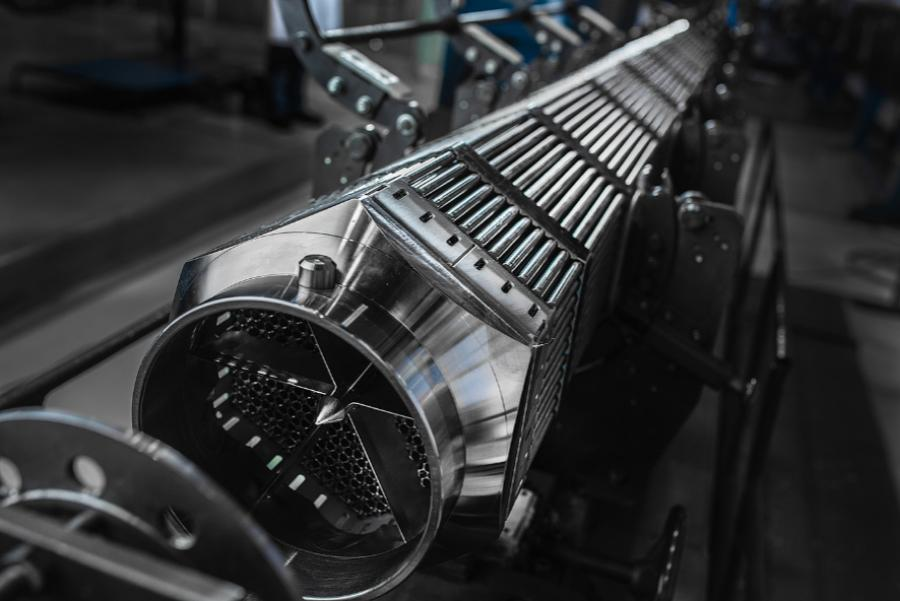
Germany wants independence from Russian nuclear fuel, using Rosatom as a bridge
Europe’s effort to break its dependence on Russian nuclear fuel has a paradox in Germany: making Russian-designed fuel without buying it from Russia ...
News
Publish date: September 16, 2008
News
The technical and regulatory means by which cuts of up to 80 to 90 percent could be made are currently available, and are a cost effective measure in comparison to land-based methods to cut emissions.
Bellona and five other environmental NGOs have jointly published a report, entitled “Air Pollution From Ships,” discussing emissions, health effects, regulatory regimens – and the potential for improvement.
An increasing part of the worlds CO2-emissions come from the shipping industry – a fact that has generally not received the attention it deserves in daily discussions on how to cut emissions. A 2008 United Nations report indicated that emissions from the world shipping industry are currently underestimated by as much as three times.
Bellona’s co-authors on the report are The North Sea Foundation, the European Environmental Bureau, the Swedish NGO Secretariat on Acid Rain, and the European Federation for Transport and Environment.
The organisations have jointly worked out a series of recommendations for action that the European Union and its Member States should undertake.
The report is available for download in PDF format in the sidebar.
Europe’s effort to break its dependence on Russian nuclear fuel has a paradox in Germany: making Russian-designed fuel without buying it from Russia ...
Nearly four and a half years after Russia’s full-scale invasion of Ukraine, July offered fresh evidence of how difficult it remains to disentangle Ru...
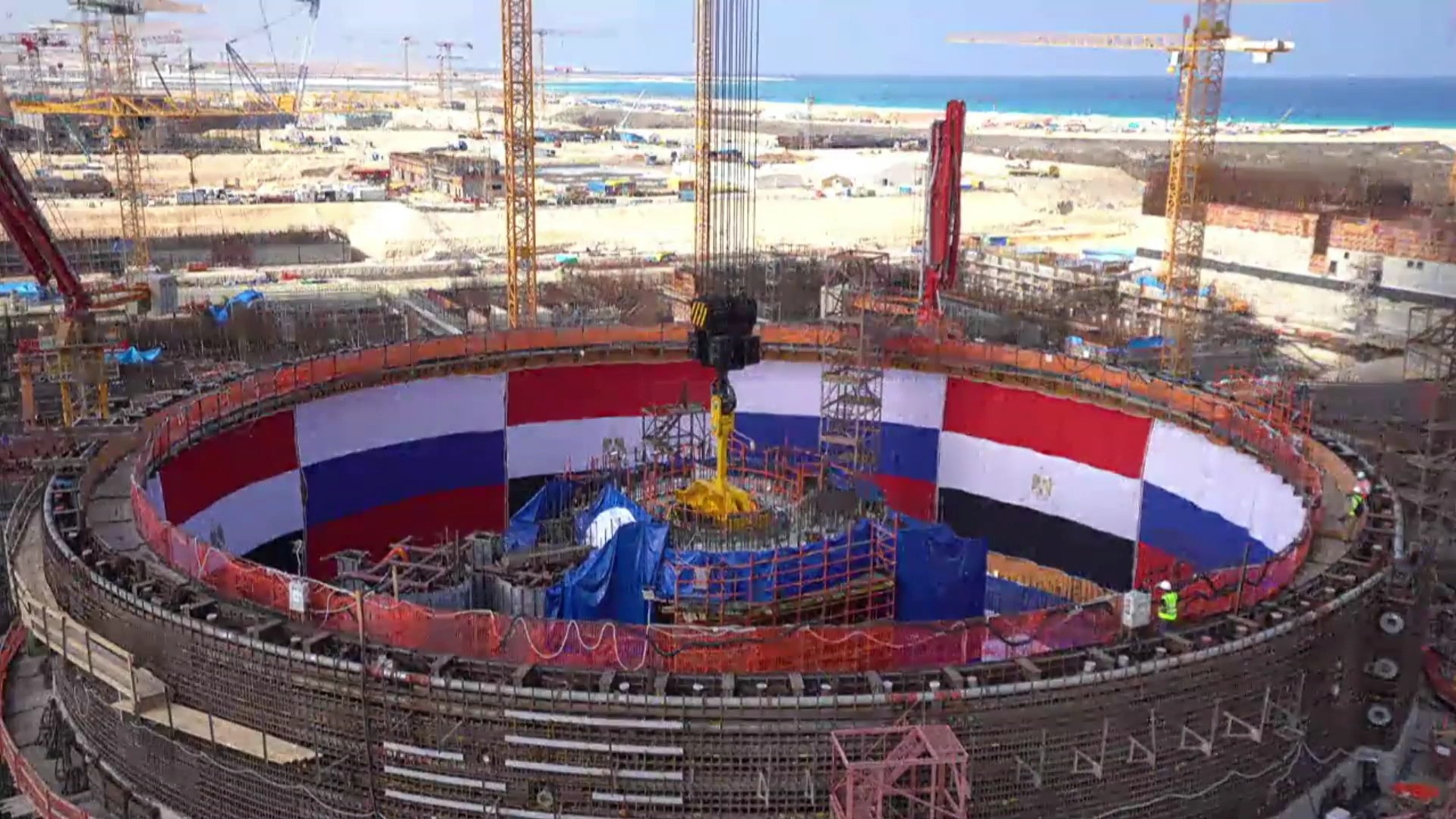
Just days after Egyptian nuclear authorities reportedly accused Rosatom of construction defects, poor management and vi...
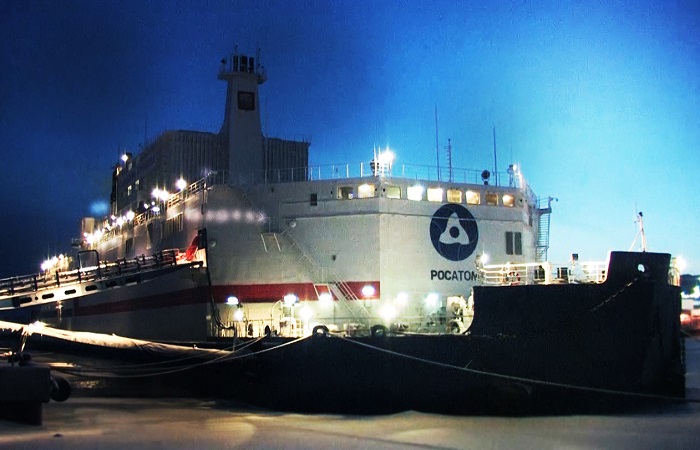
For years, the Akademik Lomonosov looked like one of the nuclear industry’s more eccentric experiments: two reactors mounted on a barge and tow...