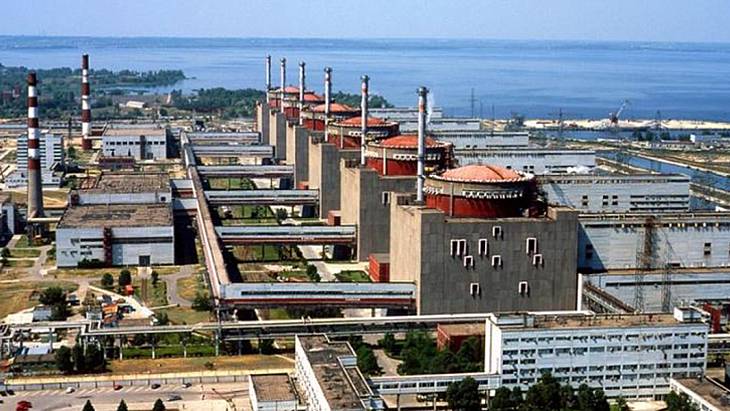
European nuclear regulators warn of escalating accident risks in Ukraine this winter
International nuclear safety regulators representing 38 countries warned Monday that Russia’s intensifying attacks on Ukraine’s electrici...
News

Publish date: October 11, 2009
Written by: Andreas Kokkvoll Tveit
Translated by: Maria Kaminskaya
News
Last Friday marked the conclusion of the two-week climate change talks in Bangkok, Thailand, where envoys from 192 countries negotiated a draft agreement to serve as the blueprint for the global climate deal the international community is expected to reach at the crucial Copenhagen conference in December this year.
The Bangkok negotiations are seen as an important milestone in achieving an understanding about what goals may be accomplished with the future Copenhagen treaty. It is hoped that the world agrees to commit to significant reductions in global carbon dioxide emissions as the new treaty replaces the outgoing Kyoto Protocol, which expires in 2012.
North vs. South
The talks in Bangkok put in stark contrast an apparent clash of interests as the developed countries of the Northern Hemisphere and the poorer nations of southern latitudes found they were in staunch opposition on a whole range of problems negotiated at the conference. Not of the least importance was the issue of who will get to call the shots with regard to funds channelled toward emission reductions and adaptation to climate change in southern countries.
Many southern nations believe it is the recipients of climate funding that must have the authority to make the ultimate decisions on how this money should be spent. The richer countries hold to just the opposite view. Bellona’s position is that a compromise is the most sensible way to go:
“It is important to let recipient countries have a hand in steering the wheel, while at the same time, it is reasonable that those that give the money are able to have a say in that this funding is actually spent the way that it has been agreed it will be spent,” said Sven Søyland, Bellona’s international adviser.
 Photo: Jo Straube
International nuclear safety regulators representing 38 countries warned Monday that Russia’s intensifying attacks on Ukraine’s electrici...
International shipping along Russia’s Northern Sea Route (NSR) expanded during September, with Chinese and South Korean operators testing new c...
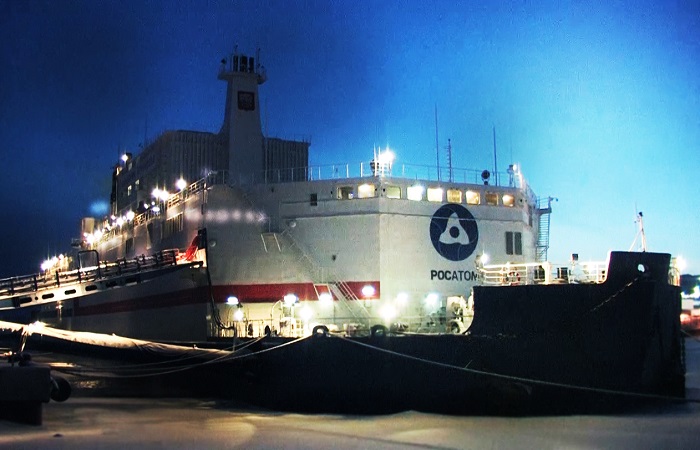
Russia’s state nuclear corporation Rosatom is intensifying efforts to market floating nuclear power plants to African countries, promoting the ...
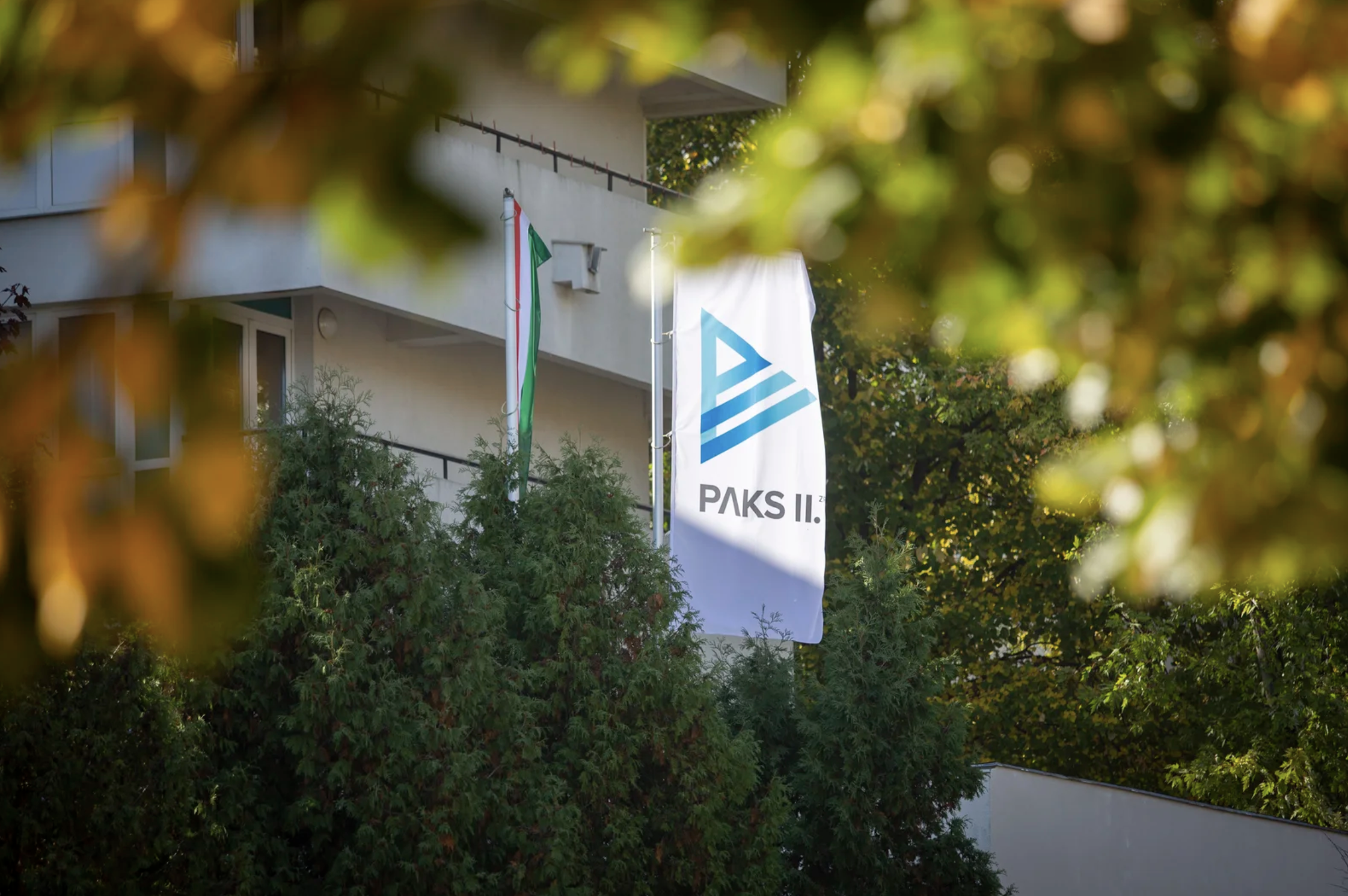
Hungary’s new government is considering replacing Russia’s state nuclear corporation Rosatom as the main contractor for the Paks II nucle...