Rosatom faces pressure abroad as Zaporizhzhia’s nuclear risks deepen
August brought signs of growing pressure on several fronts for Russia’s state nuclear corporation Rosatom, from questions surrounding major construct...
News
Publish date: June 9, 2009
News
The decision was announced by SKB President, Claes Thegerström today after a board meeting yesterday. Forsmark, in the municipality of Östhammar, was selected in preference to Laxemar in the Oskarshamn municipality after a process of investigation and engagement that has lasted since 2002, said WNN.
Site works towards the underground facility could begin in 2013, with full construction starting in 2015 and operation in 2023. This single facility, using only 15 hectares above ground, would hold all of the high-level radioactive waste from the nuclear power reactors that provide about 45 percent of Sweden’s electricity.
SKB will apply to nuclear safety regulators for premission to build in around one year’s time, WNN reported.
The repository is designed to isolate the wastes for the 100,000 years it will take until their levels of radiation return to the original low levels of natural uranium.
Used nuclear fuel assemblies are to be packed in cast iron baskets within thick copper canisters and packed in clay almost 500 metres below gound in a continguous section of igneous rock. At that level, groundwater movement is so slow that the wastes could never affect life at the surface. The method, known as KBS-3, was selected in 1983, said the agency.
August brought signs of growing pressure on several fronts for Russia’s state nuclear corporation Rosatom, from questions surrounding major construct...
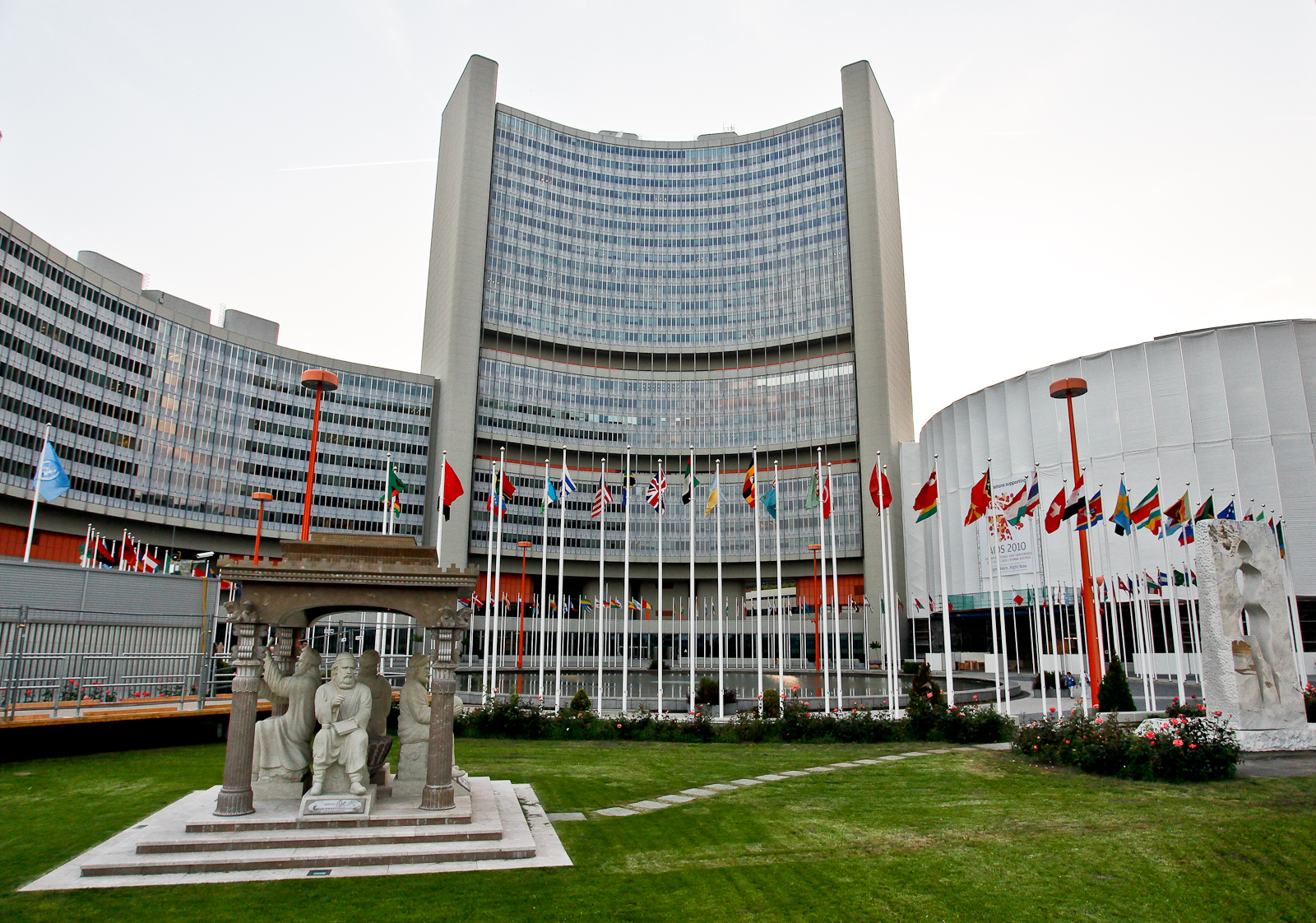
The International Atomic Energy Agency has suspended one of its most senior Russian officials — but for reasons largely unrelated to the questions ab...
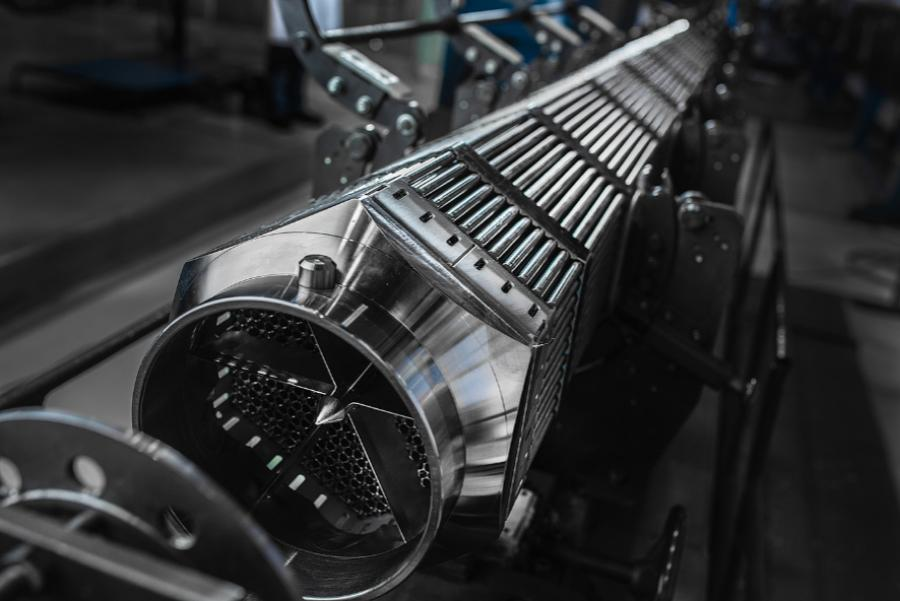
Europe’s effort to break its dependence on Russian nuclear fuel has a paradox in Germany: making Russian-designed fuel without buying it from Russia ...
Nearly four and a half years after Russia’s full-scale invasion of Ukraine, July offered fresh evidence of how difficult it remains to disentangle Ru...