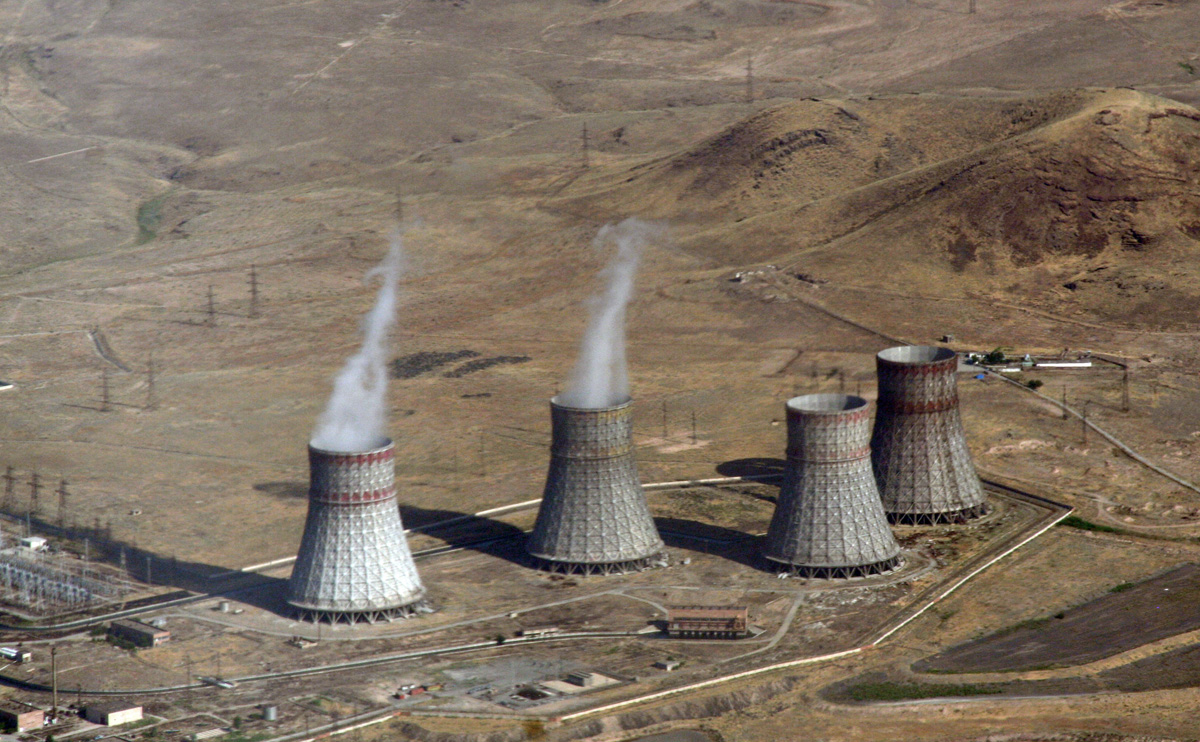
Armenia reconsiders nuclear future as Rosatom offers replacement for aging Soviet reactor
Armenia is reconsidering its plans for a new nuclear power plant after a fresh proposal from Russia’s state nuclear corporation Rosatom and a s...
News

Publish date: September 30, 2016
News
Cement production
Cement and concrete are the most common construction materials today. Cement is a core input in construction and renovation of residential, businesses, civil engineering and transport infrastructure. As of 2014, Europe and Turkey produced ~240 million tonnes of cement and employed 44,000 people. Cement or similar products will be required to maintain our existing built environment and in the creation of energy efficient cities and instructor. Cement is used in the construction of windfarms, dams, flood defences and electricity grids. Learn more here
Decarbonising cement
Between 0.8 and 0.9 tonnes of CO2 is released into the atmosphere for every tonne of cement that is produced. The substantial CO2 emissions are inherent to the production process of cement. The production of cement cannot be simply cleaned up with the use of renewable energy or efficiency improvements. This is because the majority (60%) of the industry’s CO2 emissions do not originate from energy use but from the very manufacture of cement from limestone. In very simple terms, clinker, a major constituent of cement is manufactured by breaking down limestone into calcium and CO2. The calcium is subsequently used and the CO2 dumped into the atmosphere. Significant reductions of CO2 from cement production will require CO2 to captured and stored or the replacement of cement with substitute products. Learn more here
Substitution of limestone clinker with other material can help reduce the CO2 intensity of cement. Additives such as fly ash, volcanic ash and slag from steel making are already widely used. The supply of these materials is limited and already widely exploited, limiting their potential to displace traditional cement production. Also sourcing additives such as fly ash from CO2 intensive coal power plants is not sustainable in a deep decarbonisation perspective. Learn more here
Substituting cement entirely with new materials may avoid CO2 emissions. It is unlikely that there will be one single substitute for cement. Substitutes will depend on the specific functions that need to be provided. One such substitute could be geopolymers, with 80% lower CO2 emissions than traditional cement. However due to high alkalinity, water is not added, resulting in thick mixture making it much less workable. World supply of materials to produce geopolymers is currently limited and question remain on durability. Magnesia based cements are also a possibility, their potential worldwide use is limited due to the insufficient availability of raw material. Learn more here
Norcem cement in Brevik, Norway could be the first cement plant in the world to deeply decarbonise. The Norwegian government plan is for captured CO2 from the plant to be shipped to a shared offshore CO2 storage site for permanent storage. Cement plant and other CO2 intensive industries around the North Sea may also be able to access this shared storage, accelerating industrial decarbonisation and making big strides in limiting global warming.
Armenia is reconsidering its plans for a new nuclear power plant after a fresh proposal from Russia’s state nuclear corporation Rosatom and a s...

Russia’s state nuclear corporation Rosatom has taken full control of one of the country’s largest logistics companies, consolidating an expanding tra...
August brought signs of growing pressure on several fronts for Russia’s state nuclear corporation Rosatom, from questions surrounding major construct...
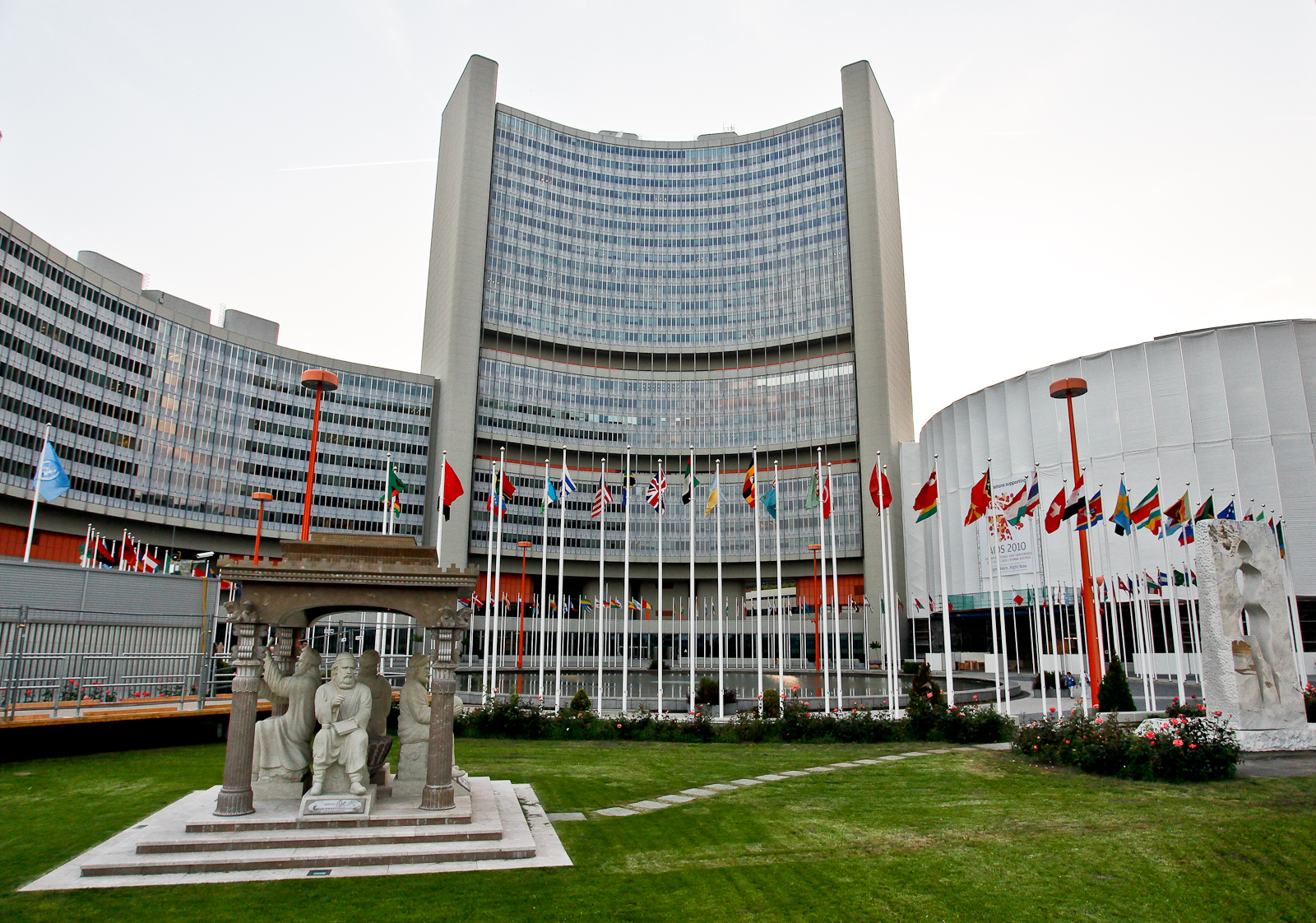
The International Atomic Energy Agency has suspended one of its most senior Russian officials — but for reasons largely unrelated to the questions ab...