
From reactors to shipping: Rosatom tightens its grip on Russian transport
Russia’s state nuclear corporation Rosatom has taken full control of one of the country’s largest logistics companies, consolidating an expanding tra...
News

Publish date: March 13, 2015
News
Over the past year, the World Bank as well as broad range of world leaders, including UN climate chief Christiana Figueres, have acknowledged the reality of the carbon bubble and the threat of assets sunk into fossil fuel projects being stranded.
The carbon bubble already taking its victims
The dramatic fall in the oil price has already rendered a number of North Sea oil exploration activities unprofitable and accelerated the decommissioning of related infrastructure. Shell, being one of the major oil companies affected, has recently announced plans to begin decommissioning of its Brent Delta platform. Rig decommissioning may cost €20 billion over the next decade and 60% of those costs will ultimately be borne by the government in question through tax relief (read more on the costs of rig decommissioning here). Moreover, increasing pressure for climate action in the lead up to COP 21, where a post-2015 global climate deal will be agreed on, is likely to lead to more ambitious climate policies being put in place as well as an accentuation of those impacts on major oil companies.
In recognition of this reality, Shell recently filed a resolution, committing itself to publishing detailed analyses of how its business plans go hand-in-hand with climate change objectives. In the recent 2014 Strategic Report, Shell chairman Jorma Ollila refers to the deployment of CCS technology and the establishment of effective carbon pricing systems as the optimal ways of tackling climate change.
Shell has announced cuts in capital investment for 2015 and hopes that its investments in natural gas, biofuels and CCS would secure the company’s financial viability throughout the 2020s. What is more, the oil giant has secured UK government funding for a pilot CCS plant in Scotland, which aims to be the world’s first scale project at a gas-fired power station.
Russia’s state nuclear corporation Rosatom has taken full control of one of the country’s largest logistics companies, consolidating an expanding tra...
August brought signs of growing pressure on several fronts for Russia’s state nuclear corporation Rosatom, from questions surrounding major construct...
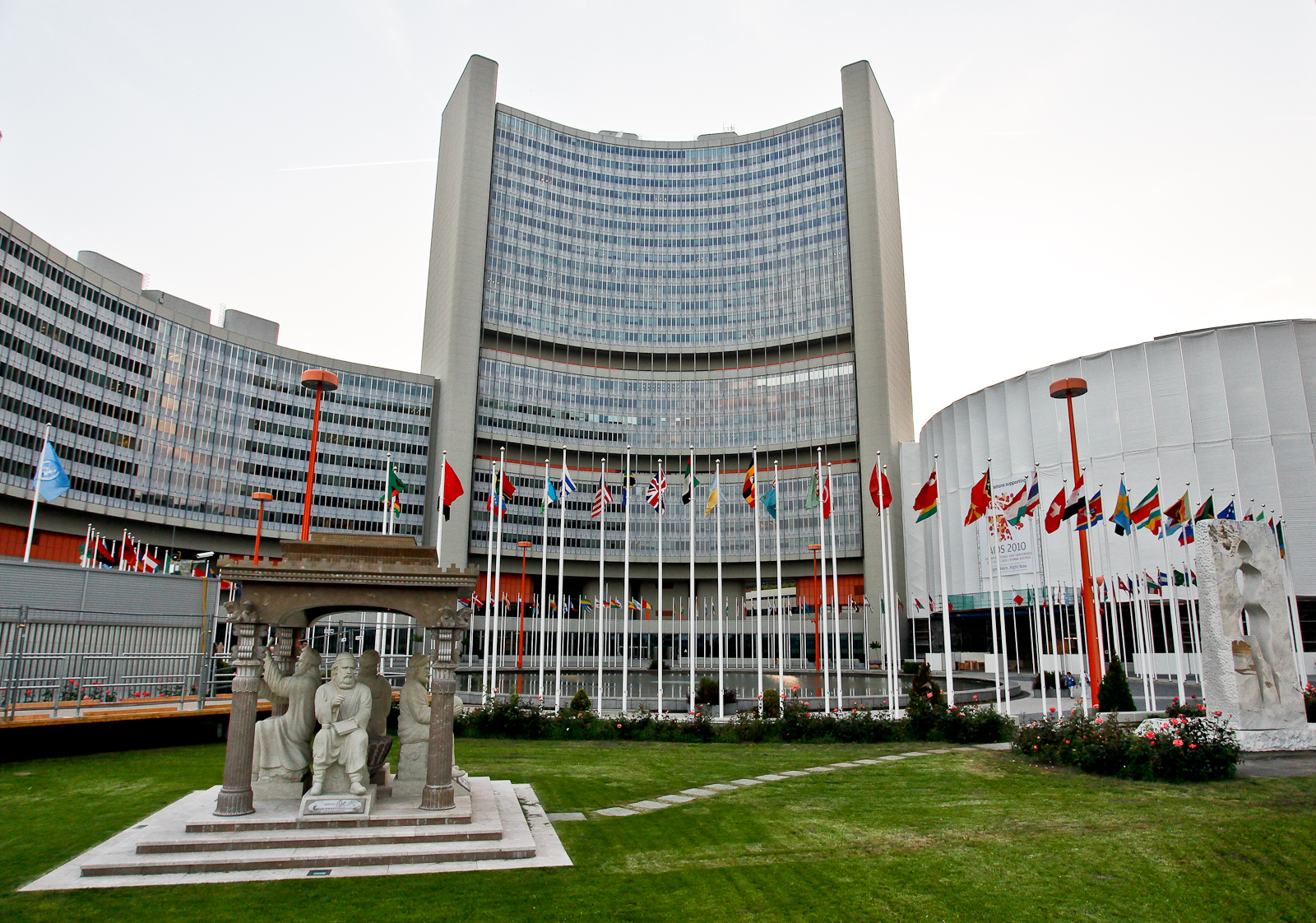
The International Atomic Energy Agency has suspended one of its most senior Russian officials — but for reasons largely unrelated to the questions ab...

Europe’s effort to break its dependence on Russian nuclear fuel has a paradox in Germany: making Russian-designed fuel without buying it from Russia ...