
From reactors to shipping: Rosatom tightens its grip on Russian transport
Russia’s state nuclear corporation Rosatom has taken full control of one of the country’s largest logistics companies, consolidating an expanding tra...
News

Publish date: October 11, 2017
News
Yesterday, October 10, party leaders in the Netherlands announced an ambitious new coalition agreement, set to redefine climate leadership within Europe. Under the coalition’s new climate plans, Carbon Capture and Storage (CCS) is set to play a major role in reducing industrial emissions and is set to contribute more than a third of total emissions reductions between now and 2030.
The coalition agreement sets more ambitious climate targets than those set by the European Union, and aims for a 49 per cent reduction in CO2 emissions by 2030. This goes beyond the 40 per cent target agreed by EU leaders and will require a reduction of more than 56 million tonnes of CO2 per annum by 2030.
Under the plan, CCS will deliver at least 20 million tonnes in CO2 emissions reductions every year by 2030. This represents Europe’s most ambitious plans on CCS to date.
The coalition agreement states that “CCS can contribute to a great extent to the reduction of CO2 emissions from industry, the electricity sector, and waste incineration facilities.” To make this happen, a major new funding programme has been announced to support investments in CCS and other low carbon technologies. Overall, the budget for the new fund will equate to 4 billion euros annually.
Commenting on the announcement, Jonas Helseth, Director of Bellona Europa, said:
“Announcing an end to coal power generation in the Netherlands is a massive step forward for the EU, the significance of which should not be underestimated.
By complementing the coal phase-out with a new focus and funding for CCS in industrial sectors, the Dutch government has shown genuine leadership on climate change and industrial innovation. Under these proposals, the future prospects for competitive, low carbon industry in the Netherlands now look healthier than ever.
The next step for the Netherlands will be to work with its European counterparts in the UK and Norway to drive forward this ambitious programme and ensure that industrial CCS becomes a reality. The plan provides a fantastic platform for revitalizing CCS and decarbonizing industry.
This is a major victory for Bellona. While almost everyone else has ignored CO2 capture as a climate mitigation measure for industry, Bellona has fought a lonesome effort to keep CCS funding intact. We have stressed that CO2 infrastructure for industrial clusters is key to decarbonising European industry. The Dutch governments’ climate plan is a vindication of Bellona’s lonesome efforts to keep CCS on the table.”
Russia’s state nuclear corporation Rosatom has taken full control of one of the country’s largest logistics companies, consolidating an expanding tra...
August brought signs of growing pressure on several fronts for Russia’s state nuclear corporation Rosatom, from questions surrounding major construct...
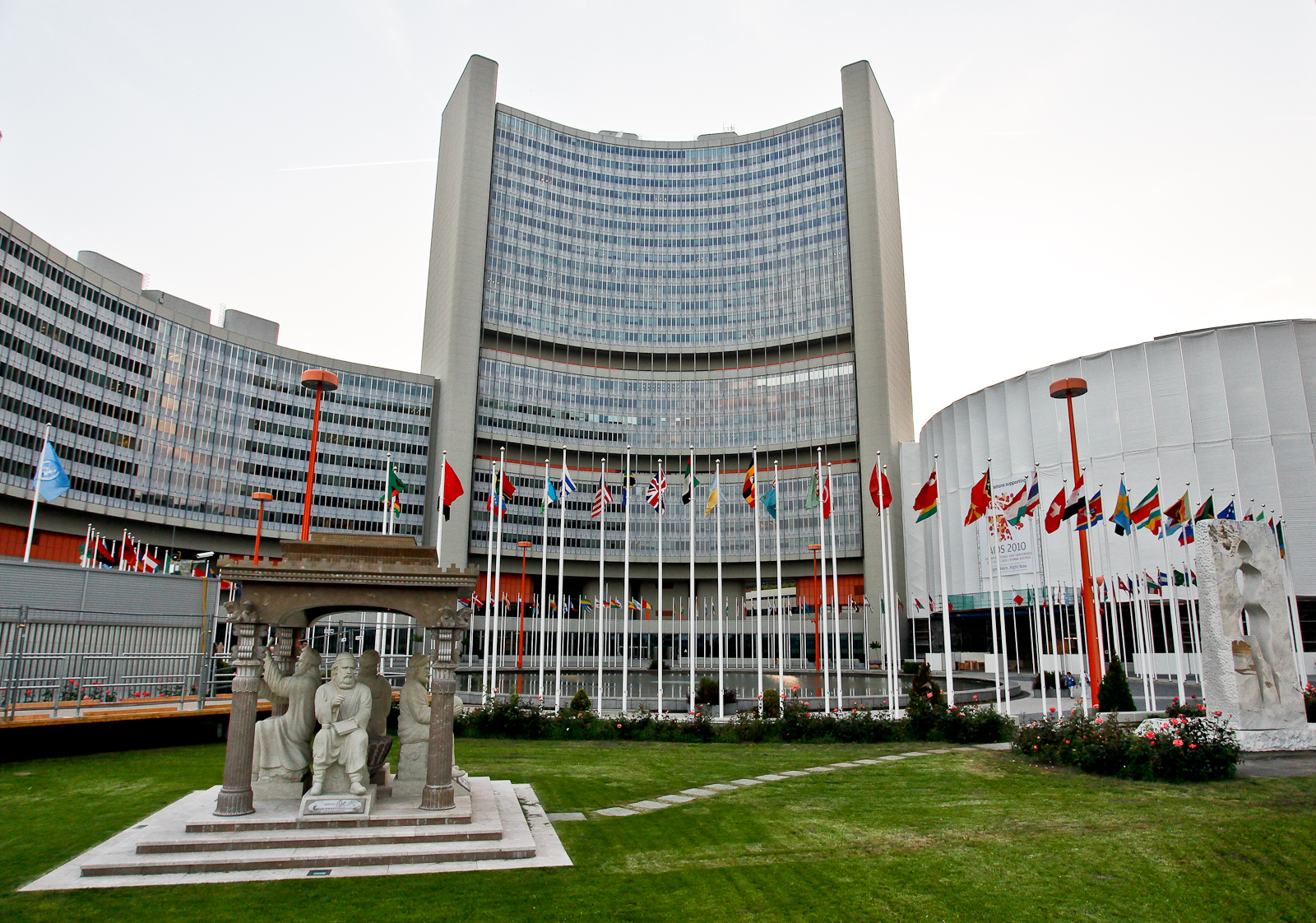
The International Atomic Energy Agency has suspended one of its most senior Russian officials — but for reasons largely unrelated to the questions ab...
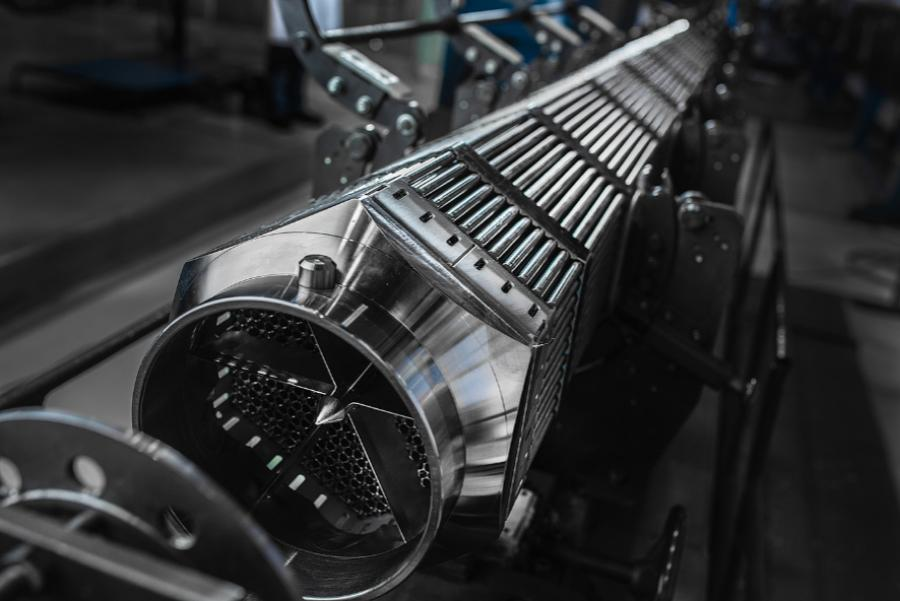
Europe’s effort to break its dependence on Russian nuclear fuel has a paradox in Germany: making Russian-designed fuel without buying it from Russia ...